
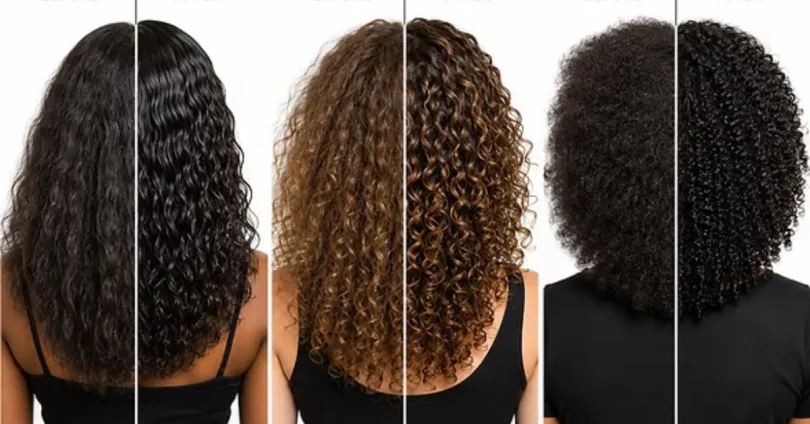

When it comes to healthy, shiny, and manageable hair, understanding protein treatment vs moisture treatment can make a big difference in your hair care routine. Both treatments help improve your hair’s condition, but they work in different ways. A protein treatment helps strengthen damaged hair, while a moisture treatment helps soften dry hair and improve its flexibility.
If you’re wondering which treatment your hair needs, don’t worry. In this guide, we’ll explain the differences between protein and moisture treatments, their benefits, how to recognize what your hair needs, and how to use both treatments correctly.
What Is a Protein Treatment for Hair?
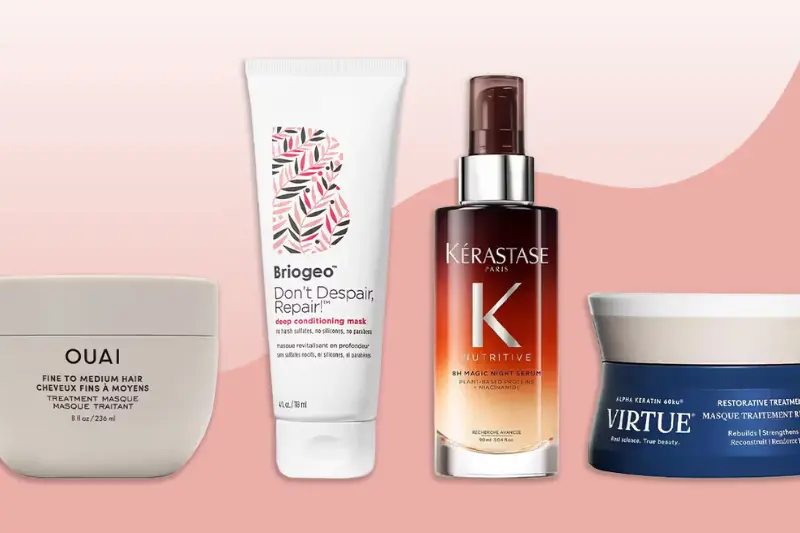
A protein treatment is a hair care product designed to help strengthen the hair shaft and improve the appearance of damaged strands. Hair is primarily made of a protein called keratin, so products containing hydrolyzed proteins can help support the hair’s structure and temporarily improve its strength and feel.
Protein treatments are especially helpful if your hair has become weak, brittle, or damaged from heat styling, chemical processing, coloring, or frequent bleaching.
Benefits of Protein Treatment
Here are some of the main benefits of using a protein treatment:
- Helps strengthen hair: Protein ingredients can temporarily improve the feel and resilience of damaged strands.
- Reduces breakage: The right treatment may help reduce breakage by improving the condition of weakened hair.
- Improves hair texture: Hair may feel smoother and appear healthier after treatment.
- Supports chemically treated hair: Colored, bleached, and relaxed hair may benefit from occasional protein treatments.
- Improves manageability: Some protein products help hair feel less fragile and easier to style.
Signs Your Hair May Need a Protein Treatment
How can you tell whether your hair needs protein? Look for these signs:
- Your hair breaks easily when you comb or brush it.
- Your hair feels weak after bleaching or coloring.
- Your strands feel overly stretchy when wet and do not recover well.
- Your hair has become damaged from frequent heat styling.
- Your hair lacks strength and seems difficult to manage.
Keep in mind that breakage can have several causes. These signs don’t automatically mean your hair needs protein, so consider your overall routine and the condition of your hair.
What Is a Moisture Treatment for Hair?
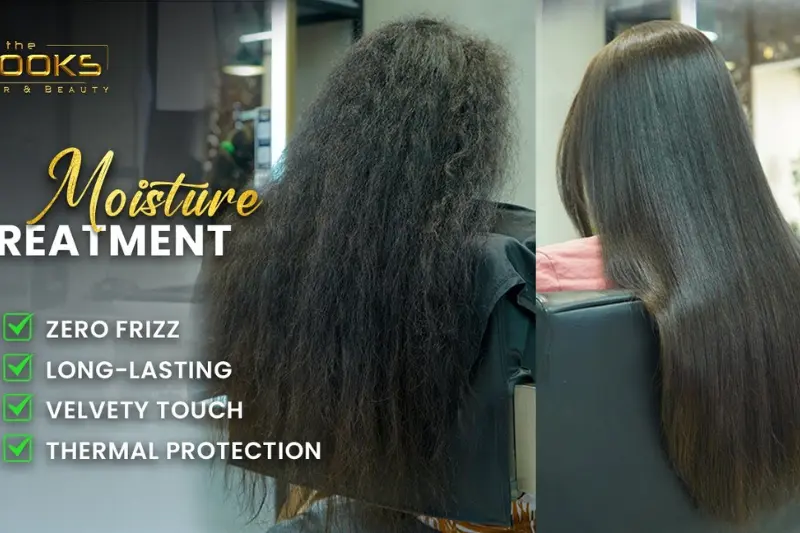
A moisture treatment is designed to hydrate and condition your hair, making it feel softer, smoother, and easier to manage. These treatments often contain ingredients such as glycerin, aloe vera, fatty alcohols, and conditioning agents that help attract or retain water and reduce friction between strands.
Moisture treatments are especially useful for dry, rough, frizzy, or tangled hair.
Benefits of Moisture Treatment
A good moisture treatment can improve your hair in several ways:
- Softens dry hair: Conditioning ingredients help make rough strands feel smoother.
- Reduces frizz: Moisturized and well-conditioned hair may look more manageable.
- Improves flexibility: Hair that is properly conditioned is often easier to bend and style without snapping.
- Makes detangling easier: Better slip helps reduce friction while combing.
- Enhances shine: Smoother hair reflects light more evenly, creating a shinier appearance.
Signs Your Hair Needs a Moisture Treatment
Your hair may benefit from more moisture if you notice the following:
- Your strands feel dry, rough, or straw-like.
- Your hair tangles easily.
- Your ends look dull or feel rough.
- Your hair feels stiff and difficult to manage.
- Your curls lack softness and flexibility.
- Your hair becomes frizzy, especially in dry conditions.
Remember that frizz can also result from humidity, damage, or your hair’s natural texture. A moisture treatment can help, but it may not solve every cause of frizz.
Protein Treatment vs Moisture Treatment: Key Differences
The main difference between protein treatment vs moisture treatment is their purpose. Protein treatments focus on temporarily improving the strength and structure of damaged hair, while moisture treatments focus on conditioning, softness, flexibility, and manageability.
| Feature | Protein Treatment | Moisture Treatment |
| Main purpose | Support weakened hair | Condition dry hair |
| Best for | Fragile or damaged strands | Dry, rough, or frizzy hair |
| Main benefit | Improves the feel and resilience of hair | Improves softness and flexibility |
| Common ingredients | Hydrolyzed keratin, wheat, silk, or rice proteins | Glycerin, aloe vera, fatty alcohols, conditioning agents |
| Typical result | Hair may feel stronger and more resilient | Hair may feel softer and smoother |
| Possible issue with overuse | Hair may feel stiff or rough | Hair may feel coated or weighed down |
| Best use | When hair shows signs of weakness or damage | When hair needs softness and conditioning |
Neither treatment is automatically better than the other. The right choice depends on what your hair needs.
Protein Treatment vs Moisture Treatment: Which Is Better for Your Hair?
Choosing between these treatments becomes easier when you pay attention to how your hair feels and behaves.
Choose a Protein Treatment for Weak or Damaged Hair
If your hair has been bleached, chemically treated, or frequently exposed to high heat, a protein treatment may be worth considering.
For example, if your hair stretches excessively when wet, breaks during detangling, or feels weak after coloring, a suitable protein treatment may improve its resilience.
However, avoid using strong protein treatments too frequently. Start with the product’s recommended schedule and observe how your hair responds.
Choose a Moisture Treatment for Dry or Rough Hair
If your hair feels rough, tangled, dull, or difficult to comb, a moisture treatment may be the better option.
For example, if your hair feels dry after shampooing or your curls become difficult to detangle, a moisturizing conditioner or hair mask may help restore softness and flexibility.
You can use a moisturizing conditioner regularly, while richer moisture masks can be used as needed according to their instructions.
What If Your Hair Needs Both?
Sometimes, your hair needs both protein and moisture. This is common when hair is damaged from coloring, bleaching, heat styling, or other harsh treatments.
In this situation, you don’t necessarily need to choose just one.
You can use a protein treatment occasionally to support weakened strands and continue using a moisturizing conditioner to maintain softness and manageability.
The key is to avoid overusing either treatment and adjust your routine based on the results.
Can You Use Protein and Moisture Treatments Together?
Yes, you can use protein and moisture treatments in the same hair care routine, provided the products are compatible and you follow their instructions.
A simple routine might look like this:
- Wash your hair with a suitable shampoo.
- Apply a protein treatment if your hair shows signs of weakness or damage.
- Follow the product instructions, including any rinsing requirements.
- Apply a moisturizing conditioner if appropriate for the product and your hair.
- Rinse as directed and gently dry your hair.
Some protein treatments already contain conditioning ingredients, so you may not need an additional mask every time.
You can also alternate the treatments on different wash days. For example, use a protein treatment when your hair needs extra support and a moisture mask during another wash when your main concern is dryness.
There is no universal schedule that works for everyone. Your hair’s condition, the treatment’s strength, and the manufacturer’s instructions should guide how often you use each product.
You may also like to read this:
Coconut Oil vs Argan Oil for Hair: Which Is Better?
Rosemary Oil vs Castor Oil for Hair: Which Is Better?
Hair Mask vs Deep Conditioner: Which One Do You Need?
Leave In Conditioner vs Hair Serum: Which Is Better?
Clarifying Shampoo vs Regular Shampoo: Key Differences
How Often Should You Use a Protein Treatment?
The frequency depends on the product and the condition of your hair.
- Mild protein conditioners: These may be suitable for regular use if the label allows it and your hair responds well.
- Moderate protein treatments: These are generally used occasionally rather than at every wash.
- Intensive protein treatments: Follow the manufacturer’s instructions carefully, as frequent use may leave some hair feeling stiff or rough.
If your hair becomes brittle, stiff, or harder to manage after using protein, reduce the frequency or pause the treatment.
You should also remember that protein treatments cannot permanently repair split ends or reverse all forms of structural damage.
How Often Should You Use a Moisture Treatment?
Moisture treatments can often be used more regularly than intensive protein treatments, depending on your hair’s needs.
Here is a simple starting point:
- Regular conditioner: Use after shampooing as directed.
- Moisturizing hair mask: Try once a week if your hair is noticeably dry.
- Deep conditioning treatment: Use according to the product label and your hair’s response.
- Lightweight leave-in conditioner: Apply as needed to improve softness and detangling.
If your hair is fine or gets oily quickly, choose lightweight formulas to avoid weighing it down. If your hair is thick, curly, or very dry, a richer conditioner may work better.
Common Mistakes to Avoid With Protein and Moisture Treatments
Even good hair care products can cause problems when used incorrectly. Avoid these common mistakes.
1. Using Protein Treatments Too Frequently
More protein does not automatically mean stronger hair. Excessive use of some protein-rich products may leave your hair feeling stiff, rough, or difficult to manage.
2. Ignoring Moisture and Conditioning
If you focus only on strengthening damaged hair, you may overlook the importance of conditioning and reducing friction during detangling.
3. Assuming All Dry Hair Needs Protein
Dryness alone does not mean your hair needs protein. If your main problem is roughness, tangling, or a lack of softness, begin with a suitable conditioner or moisture treatment.
4. Using Too Many Products at Once
Applying multiple masks, oils, and treatments together makes it difficult to understand which product is helping. Introduce one new treatment at a time and observe the results.
5. Expecting Permanent Hair Repair
Both protein and moisture treatments can improve the appearance and manageability of your hair, but neither can completely reverse severe damage. Trimming damaged ends and reducing heat or chemical exposure may also be necessary.
Protein Treatment vs Moisture Treatment for Different Hair Types
Your hair type and styling habits can influence which treatment is most useful.
Curly Hair
Curly hair often benefits from regular conditioning because its shape can make natural scalp oils less effective at coating the lengths.
If your curls feel dry or tangled, start with moisture. Consider protein if your curls also feel unusually weak or damaged.
Straight Hair
Straight hair can become dry or damaged from heat styling and coloring. Use a lightweight conditioner for routine care and consider protein if your strands show signs of damage.
High-Porosity Hair
High-porosity hair often loses moisture more easily and may be more prone to tangling. It can benefit from rich conditioning products and, when weakened, an appropriate protein treatment.
High porosity alone does not mean that protein is always necessary.
Low-Porosity Hair
Low-porosity hair may feel coated or weighed down when products build up on the strands. Try lightweight conditioners and use protein products according to your hair’s actual needs rather than porosity alone.
Color-Treated or Bleached Hair
Color-treated and bleached hair may need both treatments. Conditioning can help improve softness and reduce friction, while suitable protein products may temporarily improve the feel and resilience of damaged strands.
Always follow the instructions for products intended for chemically treated hair.
How to Build a Balanced Hair Care Routine
If you want healthier-looking hair without using too many products, keep your routine simple.
Step 1: Cleanse gently. Choose a shampoo that suits your scalp and hair type.
Step 2: Condition after washing. Use a conditioner to improve softness and reduce tangling.
Step 3: Identify your main concern. Is your hair mainly dry and rough, or weak and breaking? This helps you decide whether to prioritize moisture or protein.
Step 4: Add a targeted treatment. Use a moisturizing mask for dryness or a suitable protein treatment for damaged, weakened hair.
Step 5: Protect your hair. Reduce excessive heat styling, detangle gently, and avoid harsh chemical treatments whenever possible.
Step 6: Observe the results. If your hair becomes softer and easier to manage, continue with the routine. If it feels stiff, coated, or more brittle, adjust your products and frequency.
Consistency and gentle handling are more important than buying a large number of treatments.
Final Thoughts on Protein Treatment vs Moisture Treatment
Understanding protein treatment vs moisture treatment helps you make better decisions about your hair care routine. Protein treatments can temporarily improve the feel and resilience of weakened or damaged strands, while moisture treatments help condition dry hair, improve softness, and make detangling easier.
If your hair feels rough, dry, and tangled, start with moisture. If it feels weak, damaged, and prone to breakage, consider a suitable protein treatment. If you experience both problems, a balanced routine that includes both treatments may work best.
Most importantly, pay attention to how your hair responds instead of following a routine simply because it works for someone else. The best treatment is the one that addresses your hair’s actual needs and helps keep it manageable, healthy-looking, and easy to care for.
Frequently Asked Questions About Protein Treatment vs Moisture Treatment
1. What is the difference between protein treatment and moisture treatment?
A protein treatment helps improve the strength and resilience of damaged hair, while a moisture treatment conditions dry hair, making it softer, smoother, and easier to manage. The best choice depends on your hair’s condition and needs.
2. How do I know if my hair needs protein or moisture?
If your hair feels dry, rough, or tangled, it may need more conditioning and moisture. If your hair feels weak, stretches excessively when wet, or breaks easily, a protein treatment may help. These signs can overlap, so consider your overall hair care routine.
3. Can I use protein and moisture treatments together?
Yes, you can use both treatments in your hair care routine. You can alternate them on different wash days or use a moisturizing conditioner after a protein treatment if the product instructions allow it.
4. Is a protein treatment good for dry hair?
A protein treatment may help if your dry hair is also damaged or weakened. However, dryness alone does not mean your hair needs protein. Start with a good moisturizing conditioner if your hair mainly feels rough or lacks softness.
5. How often should I use a protein treatment?
The frequency depends on the product’s strength and your hair’s condition. Some mild protein conditioners can be used regularly, while intensive treatments should be used less frequently according to their instructions.


[…] Protein Treatment vs Moisture Treatment: Hair Care Guide […]
[…] You may also like to read this:Protein Treatment vs Moisture Treatment: Hair Care Guide […]