
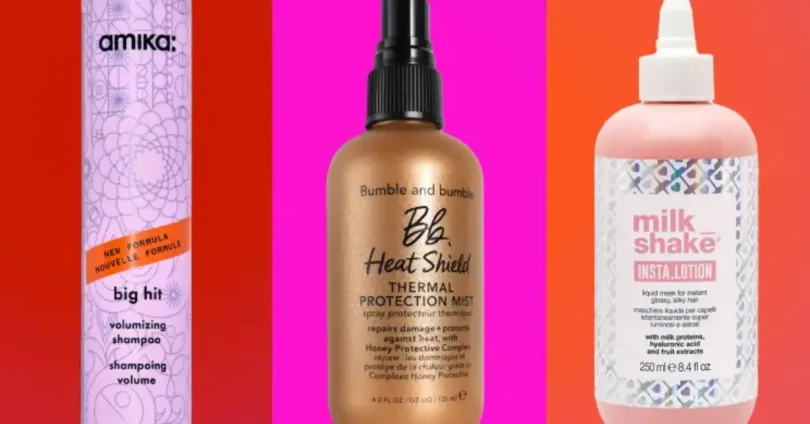

If your hair takes a long time to get completely wet, feels heavy after using conditioner, or becomes greasy after applying hair products, you may have low porosity hair. Finding the best shampoos for low porosity hair can help you keep your scalp clean, reduce product buildup, and make your hair feel softer and more manageable.
In this guide, we’ll explore the best shampoos for low porosity hair, what ingredients to look for, how to choose the right shampoo for your hair type, and how to build a simple hair care routine that works for you.
What Is Low Porosity Hair?

Low porosity hair has a cuticle layer that tends to lie relatively flat, making it harder for water and some hair products to enter the hair shaft. As a result, your hair may take longer to become fully wet and may also take longer to dry.
Here are some common signs of low porosity hair:
- Water takes time to soak into your hair.
- Hair products seem to sit on the surface.
- Your hair feels heavy after using thick conditioners.
- Your roots become oily while your hair lengths feel dry.
- Your hair gets weighed down by heavy creams and oils.
These signs can help you understand your hair, but they do not automatically confirm low porosity. Product buildup and scalp conditions can cause similar problems.
What Should You Look for in a Shampoo for Low Porosity Hair?
Before choosing a shampoo, it’s important to understand which formulas may work best for your hair.
1. Lightweight Formulas
Lightweight shampoos are a good choice if your hair becomes greasy or flat easily. They help clean your scalp without leaving your hair feeling overly coated.
2. Clarifying Ingredients
If you regularly use hair oils, styling gels, leave-in conditioners, or creams, product buildup can make your hair feel heavy. A clarifying shampoo used occasionally can help remove this residue.
3. Gentle Cleansing Ingredients
If your scalp is dry or sensitive, consider a gentle shampoo that cleans without making your hair feel rough. You don’t necessarily need to avoid all sulfates because the right formula depends on your scalp and hair condition.
4. Lightweight Moisturizing Ingredients
Ingredients such as glycerin and panthenol can help support moisture retention and improve hair softness. Look for products that moisturize without leaving a heavy coating.
5. A Formula That Matches Your Scalp
Your scalp condition matters just as much as your hair porosity. If your roots become oily quickly, a shampoo for normal-to-oily scalps may work well. If your scalp is dry or sensitive, a gentle formula may be more suitable.
7 Best Shampoos for Low Porosity Hair

Here are seven shampoos to consider based on your hair type, budget, and specific hair care needs.
1. Kinky-Curly Come Clean Natural Moisturizing Shampoo
Kinky-Curly Come Clean is worth considering if your hair feels coated after using styling products. Its cleansing formula helps remove accumulated residue and leaves your hair feeling cleaner.
Best for: Curly and coily hair that needs effective cleansing.
Why consider it: It can be helpful when styling products leave your hair feeling heavy or dull.
Keep in mind: Follow with a suitable conditioner if your hair feels dry after washing.
2. Mielle Organics Pomegranate & Honey Moisturizing and Detangling Shampoo
If you have curly or coily low porosity hair, Mielle Organics Pomegranate & Honey Shampoo is another option to consider. It is designed to cleanse the hair while helping with detangling and softness.
Best for: Curly, coily, and textured hair.
Why consider it: It may be useful if your hair becomes tangled during washing.
Keep in mind: Check the ingredient list if you have a sensitive scalp or prefer fragrance-free products.
3. OUAI Detox Shampoo
If your hair feels greasy shortly after washing or looks dull because of product buildup, OUAI Detox Shampoo may be worth considering.
Best for: People who frequently use styling products or experience residue from hard water.
Why consider it: A clarifying shampoo can help remove accumulated oils, styling products, and certain mineral deposits.
Keep in mind: Use it when needed rather than automatically at every wash, especially if your hair is dry or color-treated.
4. Pureology Hydrate Sheer Shampoo
Pureology Hydrate Sheer Shampoo is designed for people who want hydration without the heavier feel associated with some rich moisturizing formulas.
Best for: Fine or medium hair that needs a balance of cleansing and hydration.
Why consider it: It may suit hair that becomes weighed down by thick conditioners and shampoos.
Keep in mind: Consider your budget and check the current ingredient list before buying.
5. Garnier Fructis Curl Nourish Shampoo
If you want a more budget-friendly option, Garnier Fructis Curl Nourish Shampoo is worth investigating. It is designed for curly hair and may fit into a simple curl care routine.
Best for: People looking for an accessible shampoo for curly hair.
Why consider it: It offers an option to explore if you want a shampoo formulated specifically for curls.
Keep in mind: Product formulas vary by country, so check the exact ingredients on the bottle available to you.
6. Vanicream Shampoo
If your scalp reacts to fragrances or certain hair care ingredients, Vanicream Shampoo may be a useful option. It is designed for people who prefer a fragrance-free formula.
Best for: People who want a simple shampoo for a sensitive scalp.
Why consider it: Fragrance-free hair care can help some people avoid potential irritants.
Keep in mind: Fragrance-free does not guarantee that a product will suit every sensitive scalp.
7. Living Proof Perfect Hair Day Shampoo
Living Proof Perfect Hair Day Shampoo is another option for your regular washing routine. It is designed to cleanse the hair and help maintain a manageable feel.
Best for: People looking for an everyday shampoo.
Why consider it: It may suit you if you want a general-purpose cleanser rather than a dedicated clarifying shampoo.
Keep in mind: Your results will depend on your scalp oiliness, hair texture, and the other products you use.
Best Shampoo for Low Porosity Hair by Hair Type
The right shampoo depends on your main concern. Use this table to narrow down your choices.
| Hair type or concern | Shampoo to consider |
| Fine, low porosity hair | Lightweight, gentle shampoo |
| Curly or coily hair | Shampoo designed for curls and textured hair |
| Oily roots | Shampoo for normal-to-oily scalps |
| Product buildup | Clarifying shampoo used occasionally |
| Dry hair | Gentle shampoo with lightweight moisturizing ingredients |
| Sensitive scalp | Fragrance-free, gentle shampoo |
| Hard-water residue | Clarifying shampoo designed to remove mineral deposits |
Best Ingredients for Low Porosity Hair
When choosing the best shampoos for low porosity hair, pay attention to the overall formula instead of focusing only on the brand name.
Ingredients Worth Considering
Glycerin: Helps attract moisture and supports hair softness.
Panthenol: Helps improve hair manageability and the feel of the hair.
Honey: Can act as a humectant in suitable hair care formulas.
Gentle cleansing agents: Help remove dirt and excess oil without excessive stripping.
Clarifying ingredients: Help remove accumulated styling products and other residue.
You don’t need every ingredient in one shampoo. The overall formulation and your hair’s response matter more than any single ingredient.
Ingredients and Formulas to Use Carefully
You do not need to avoid every oil, silicone, protein, or sulfate simply because you have low porosity hair.
However, if your hair feels waxy or heavy, try reducing thick creams, butters, and oils. If it feels rough after washing, consider switching to a gentler cleanser or clarifying less often.
Your goal should be to balance effective cleansing with enough conditioning to keep your hair manageable.
You may also like to read this:
Rosemary Oil vs Castor Oil for Hair: Which Is Better?
Hair Mask vs Deep Conditioner: Which One Do You Need?
Leave In Conditioner vs Hair Serum: Which Is Better?
Clarifying Shampoo vs Regular Shampoo: Key Differences
Protein Treatment vs Moisture Treatment: Hair Care Guide
How Often Should You Wash Low Porosity Hair?
There is no single washing schedule that works for everyone. Your routine should depend on your scalp, lifestyle, and the products you use.
- Oily scalp: You may need to shampoo more frequently.
- Dry hair: A gentle shampoo and less frequent washing may be more comfortable.
- Frequent styling-product use: Occasional clarifying may help prevent buildup.
- Curly or coily hair: Adjust your schedule to avoid excessive dryness while keeping your scalp clean.
Some people prefer washing every few days, while others wash weekly. Choose a schedule that keeps your scalp comfortable and your hair manageable.
How to Wash Low Porosity Hair Properly
Even the best shampoo will not give you the results you want if your washing routine leaves residue behind or dries out your hair.
Step 1: Wet Your Hair Thoroughly
Use lukewarm water and give your hair enough time to become fully saturated before applying shampoo.
Step 2: Focus on Your Scalp
Apply shampoo to your scalp and massage gently with your fingertips. Avoid scratching with your nails.
Step 3: Rinse Thoroughly
Rinse your hair carefully to remove shampoo and loosened residue. Leftover products can make your hair feel coated.
Step 4: Apply a Lightweight Conditioner
Use conditioner on your mid-lengths and ends. Choose a formula that makes your hair easier to detangle without weighing it down.
Step 5: Avoid Excessive Heat
Very hot water and frequent high-heat styling can contribute to dryness and damage. Use moderate temperatures and a heat protectant when styling with heat.
Common Shampoo Mistakes to Avoid
If your hair still feels dry, greasy, or heavy after washing, check whether you are making any of these common mistakes.
- Using too many heavy oils and creams.
- Clarifying too frequently and making your hair feel dry.
- Skipping conditioner because you have low porosity hair.
- Applying too much shampoo directly to your hair lengths.
- Choosing products based only on marketing claims.
- Assuming every sulfate-free shampoo is automatically better for your hair.
A simple routine with a suitable shampoo and conditioner is often more effective than using too many products.
Frequently Asked Questions
1. What is the best shampoo for low porosity hair?
Kinky-Curly Come Clean is worth considering if you need to remove product buildup, while Mielle Organics Pomegranate & Honey may suit curly and coily hair. Your best choice depends on your scalp, hair texture, and moisture needs.
2. Is sulfate-free shampoo better for low porosity hair?
Not always. Sulfate-free shampoo may suit some people with dry or sensitive hair, but others need stronger cleansing to remove excess oil and styling residue. Choose according to how your scalp and hair respond.
3. Can I use clarifying shampoo on low porosity hair?
Yes. Clarifying shampoo can help remove product buildup, particularly if you use styling products regularly or live in an area with hard water. Avoid overusing it if your hair becomes dry or rough.
4. Should I use moisturizing shampoo for low porosity hair?
Yes, if your hair needs additional softness. Choose a formula that provides suitable hydration without leaving a heavy coating.
5. How can I tell if my shampoo is too heavy?
Your hair may feel waxy, greasy, flat, or coated soon after washing. If this happens, try a lighter formula and reduce the amount of heavy styling products you use.
Conclusion
Finding the best shampoos for low porosity hair is about choosing a formula that cleans your scalp effectively without leaving your hair dry, heavy, or coated. Kinky-Curly Come Clean is worth considering for product buildup, Mielle Organics Pomegranate & Honey for curly and coily hair, and OUAI Detox Shampoo for occasional clarifying.
Start with one shampoo that matches your main hair concern, pair it with a suitable conditioner, and adjust your routine according to your results. You do not need an expensive or complicated hair care routine to keep low porosity hair clean, soft, and manageable.





[…] Best Shampoos For Low Porosity Hair: Top 7 Picks […]
[…] You may also like to read this:Best Shampoos For Low Porosity Hair: Top 7 Picks […]