
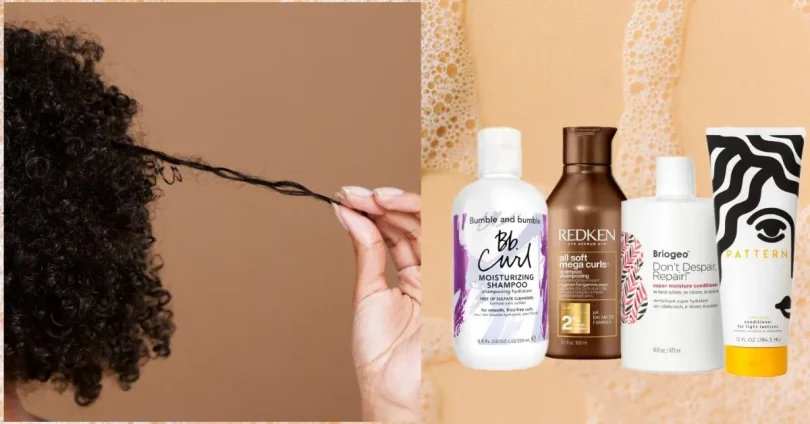

If your curls feel rough, look frizzy, or become tangled after washing, choosing the right conditioner can make a big difference. The best conditioners for dry curly hair help add moisture, improve softness, reduce frizz, and make your curls easier to manage. Whether you have loose waves, defined ringlets, or tight coils, the right conditioner can help your hair look healthier without making it feel heavy or greasy.
In this guide, you’ll learn which conditioners are worth considering, what ingredients to look for, and how to choose a product that suits your hair type.
Why Does Curly Hair Need a Good Conditioner?
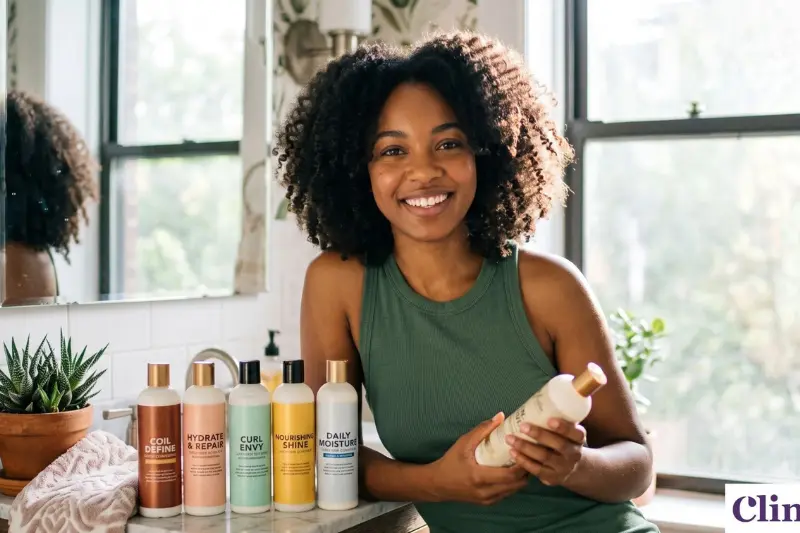
Curly hair often feels drier than straight hair because natural scalp oils may have difficulty traveling along the twists and bends of each strand. As a result, the lengths and ends can become dry, especially if you use heat-styling tools, color your hair, or wash it frequently.
A good conditioner can help by:
- Adding moisture and improving softness.
- Making detangling easier and reducing breakage caused by pulling.
- Smoothing the hair’s surface to help control frizz.
- Improving manageability and curl definition.
- Reducing friction between hair strands.
Remember that conditioner cannot permanently repair split ends, but it can temporarily smooth the hair and help reduce further damage from friction.
Best Conditioners for Dry Curly Hair
When choosing a conditioner, consider your hair’s thickness, porosity, and level of dryness. Here are some popular options to explore.
1. SheaMoisture Manuka Honey & Mafura Oil Intensive Hydration Conditioner
Best for: Thick, coarse, and very dry curly hair.
This conditioner is worth considering if your curls feel rough and need extra softness. Its rich conditioning formula is designed to help moisturize dry hair and improve manageability.
- Main benefits: Softness, hydration, and easier detangling.
- Best hair type: Thick curls and tight coils.
- Potential drawback: It may feel too heavy on fine hair or curls that become greasy easily.
Choose this conditioner if lightweight products do not provide enough softness for your hair.
2. Garnier Fructis Curl Nourish Conditioner
Best for: Everyday conditioning on a budget.
You do not have to spend a lot of money to care for dry curls. Garnier Fructis Curl Nourish Conditioner is an option to consider if you want to improve softness, reduce tangles, and make your curls easier to style.
- Main benefits: Improved manageability and detangling.
- Best hair type: Wavy and curly hair.
- Potential drawback: Very dry or damaged hair may need additional deep conditioning.
This can be a practical option if you want an everyday conditioner without building a complicated hair-care routine.
3. Pattern Beauty Medium Conditioner
Best for: Curls that need moisture without an overly heavy formula.
Pattern Beauty Medium Conditioner is designed for curly and textured hair. It may help soften strands, improve slip, and make knots easier to work through.
- Main benefits: Softness, detangling, and manageability.
- Best hair type: Medium-density curls and ringlets.
- Potential drawback: Very coarse hair may need a richer conditioner.
If you want your curls to feel soft while maintaining their natural movement, this product is worth considering.
4. Cantu Shea Butter Hydrating Cream Conditioner
Best for: Thick curls and tightly coiled hair.
If your hair feels dry shortly after washing, a rich conditioner may help improve softness and reduce tangling. Cantu’s shea butter conditioning products are worth exploring if your hair responds well to creamy formulas.
- Main benefits: Rich conditioning and improved manageability.
- Best hair type: Thick, coarse, and coily hair.
- Potential drawback: Fine hair may feel coated or lose volume.
Apply the amount your hair needs rather than using too much at once. A heavy formula can make some curls feel greasy instead of soft.
5. Aussie Miracle Curls Conditioner
Best for: Everyday conditioning and easier styling.
Aussie Miracle Curls Conditioner is another option for people who want manageable curls without a complicated routine. A rinse-out conditioner can help reduce friction between strands and make wash day easier.
- Main benefits: Detangling and softness.
- Best hair type: Wavy and curly hair.
- Potential drawback: Extremely dry ends may need a separate deep-conditioning treatment.
Check the ingredient list of the version available in your country because product formulas can vary by region.
6. L’Oréal Paris Elvive Hyaluron Plump Hydrating Conditioner
Best for: Hair that needs hydration without too much weight.
If your curls feel dry but become flat when you use thick conditioners, consider a lighter hydrating formula. L’Oréal Paris Elvive Hyaluron Plump Hydrating Conditioner is designed to help improve hair hydration and manageability.
- Main benefits: Hydration and smoother-feeling hair.
- Best hair type: Fine to medium hair that needs moisture.
- Potential drawback: Very coarse curls may need a richer conditioner or a leave-in product.
This option may suit you if you want softness without making your hair feel overly coated.
How to Choose the Best Conditioner for Your Curl Type
The best conditioner for someone else may not work equally well for you. Your hair’s thickness, porosity, and level of dryness should guide your decision.
| Hair type or concern | Conditioner to consider |
| Fine, dry curls | Lightweight hydrating conditioner |
| Thick, coarse curls | Rich, creamy conditioner |
| Tight coils and very dry ends | Intensive hydration conditioner |
| Frizzy curls | Smoothing conditioner with good detangling slip |
| Damaged or color-treated curls | Conditioner designed for damaged hair |
| Dry curls that tangle easily | Conditioner with effective detangling ingredients |
| Low-porosity curls | Lightweight conditioner that rinses cleanly |
| High-porosity curls | Richer conditioning formula, depending on hair needs |
If you have low-porosity hair, heavy products may build up or weigh down your curls. High-porosity hair may benefit from richer conditioning ingredients, although the best choice depends on your individual hair.
Ingredients to Look for in a Conditioner for Dry Curly Hair
When reading product labels, look for ingredients that help soften your hair, improve detangling, and reduce friction.
1. Shea Butter
Shea butter is a rich emollient that helps soften hair and improve manageability. It may be especially useful for thick curls and coarse strands.
2. Glycerin
Glycerin is a humectant that attracts water. It can help support hydration, although its effect on frizz depends on the overall formula and your environment.
3. Coconut Oil
Coconut oil can help lubricate hair strands and reduce protein loss under certain conditions. However, some people find it too heavy or notice that their hair feels stiff when they use too much.
4. Argan Oil and Jojoba Oil
These oils can help smooth the hair’s surface, improve softness, and reduce friction. They may be useful if your curls need extra nourishment.
5. Conditioning Agents
Ingredients such as cetearyl alcohol, cetyl alcohol, and behentrimonium chloride help soften hair and improve detangling.
Fatty alcohols, such as cetyl and cetearyl alcohol, are different from drying alcohols and are commonly found in moisturizing conditioners.
Remember that no single ingredient guarantees good results. The complete formula and how your hair responds are what matter most.
You may also like to read this:
Hair Mask vs Deep Conditioner: Which One Do You Need?
Leave In Conditioner vs Hair Serum: Which Is Better?
Clarifying Shampoo vs Regular Shampoo: Key Differences
Protein Treatment vs Moisture Treatment: Hair Care Guide
Best Shampoos For Low Porosity Hair: Top 7 Picks
How to Use Conditioner for Dry Curly Hair
Even the best conditioner may not give you the results you want if you use it incorrectly. Follow these simple steps to get more out of your product.
Step 1: Wet Your Hair Thoroughly
Start with clean, wet hair so the conditioner spreads evenly through your curls. If you shampoo regularly, choose a gentle shampoo that does not leave your hair feeling excessively dry.
Step 2: Apply Conditioner to Your Lengths and Ends
Distribute the conditioner through the middle lengths and ends, focusing on the areas that feel driest. Use enough product to coat your hair without leaving it excessively heavy.
Step 3: Detangle Gently
Use your fingers or a wide-tooth comb to work through knots, starting at the ends and moving upward. Avoid pulling or brushing aggressively because wet, tangled hair can break easily.
Step 4: Leave It on as Directed
Follow the instructions on the product label. Some conditioners need only a short time, while deep conditioners may require longer.
Step 5: Rinse Thoroughly
Rinse out regular conditioners unless the product specifically says it is a leave-in formula. If your hair feels coated or greasy afterward, try using less product or choosing a lighter conditioner.
Should You Use a Deep Conditioner for Dry Curly Hair?
Yes, a deep conditioner or hair mask can be helpful if your curls remain dry after regular conditioning. These treatments are often formulated to provide more intensive conditioning than everyday products.
A deep-conditioning treatment may be useful if:
- Your hair feels rough after washing.
- Your ends tangle easily.
- Your curls look dull or frizzy.
- Your hair has been exposed to frequent heat styling or chemical treatments.
- Your regular conditioner does not provide enough softness.
Start by using a deep conditioner once a week or as directed on the label. Adjust the frequency according to how your hair responds.
If your curls become limp, coated, or greasy, reduce the frequency or choose a lighter formula. You do not necessarily need a deep-conditioning treatment after every wash.
Conditioner vs. Leave-In Conditioner for Dry Curly Hair
Regular conditioner and leave-in conditioner serve different purposes, so you may benefit from using both.
Regular conditioner: This is applied after shampooing and rinsed out. It helps soften hair, improve detangling, and reduce friction.
Leave-in conditioner: This is designed to remain in your hair after washing. It can provide additional softness, help manage frizz, and make curls easier to style.
If your hair becomes dry between wash days, a lightweight leave-in conditioner may help. However, avoid layering too many rich products if your curls are fine or easily weighed down.
Common Mistakes to Avoid When Conditioning Curly Hair
A few simple changes can make your hair-care routine more effective.
- Using too little conditioner: Thick or very dry hair may need more product to achieve adequate coverage.
- Applying too much to fine hair: Excess conditioner can make curls look flat or greasy.
- Detangling aggressively: Pulling through knots can cause unnecessary breakage.
- Skipping conditioner after shampooing: Dry curls may become harder to manage without conditioning.
- Using heat too frequently: Frequent high-temperature styling can worsen dryness and damage.
- Expecting conditioner to permanently repair split ends: Conditioning can temporarily smooth damaged strands, but trimming is the lasting solution for split ends.
- Ignoring product buildup: If your hair feels coated, consider using an appropriate clarifying shampoo occasionally.
Frequently Asked Questions
1. Which conditioner is best for dry curly hair?
The best option depends on your hair type. SheaMoisture Manuka Honey & Mafura Oil Intensive Hydration Conditioner is worth considering for thick, dry curls, while a lighter hydrating conditioner may work better for fine curls.
2. How often should I condition my curly hair?
Most people with dry curly hair benefit from conditioning after each shampoo wash. How often you wash your hair depends on your scalp, lifestyle, and hair needs.
3. Can conditioner reduce frizz in curly hair?
Yes. Conditioner can smooth the hair’s surface, improve softness, and reduce friction, which may help control frizz. A leave-in conditioner or curl cream may provide additional support.
4. Is a deep conditioner better than a regular conditioner?
Not necessarily. Regular conditioner is suitable for routine washing, while deep conditioner can provide more intensive conditioning when your hair needs extra softness and manageability. Both can have a place in your routine.
5. Should I apply conditioner to my scalp?
Most rinse-out conditioners are best applied mainly to the lengths and ends. If your scalp becomes oily easily, keeping rich products away from the roots may help prevent buildup.
Final Thoughts
Finding the best conditioners for dry curly hair is about understanding what your curls need rather than choosing the most expensive or popular product.
Rich formulas may suit thick, coarse curls, while lightweight conditioners can work better for fine or low-porosity hair. Start with a conditioner that matches your hair type, use it consistently after shampooing, and detangle gently.
If your hair remains dry, consider adding a weekly deep-conditioning treatment or a suitable leave-in conditioner. Most importantly, pay attention to how your curls respond. Softer hair, easier detangling, and improved manageability are good signs that your conditioner is working for you.


[…] Best Conditioners For Dry Curly Hair To Reduce Frizz […]