


When comparing coconut oil vs argan oil for hair, you might wonder which one is better for keeping your hair soft, shiny, healthy, and manageable. Both oils are popular choices for hair care, but they work differently. Coconut oil is known for helping reduce protein loss and protecting hair from damage, while argan oil is loved for adding shine, smoothing frizz, and improving the appearance of dry hair.
So, which oil should you choose? The answer depends on your hair type, your main concerns, and how you want your hair to look and feel. Let’s compare both oils to help you find the right option for your hair care routine.
What Is Coconut Oil?
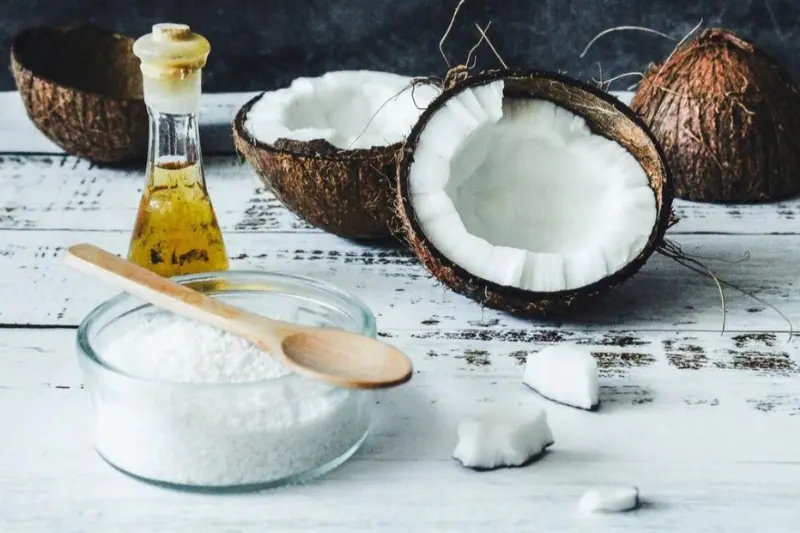
Coconut oil is a natural oil extracted from the flesh of mature coconuts. It is widely used in hair care because it contains fatty acids, especially lauric acid, which can penetrate the hair shaft more effectively than many other oils.
If your hair feels dry, rough, or prone to breakage, coconut oil may be a helpful addition to your routine. It can help reduce protein loss from hair during washing and grooming, supporting stronger-feeling strands.
Benefits of Coconut Oil for Hair
1. Helps Reduce Protein Loss
Your hair is made primarily of a protein called keratin. Washing, brushing, heat styling, and chemical treatments can contribute to damage and protein loss. Coconut oil may help reduce this loss when used as a pre-wash treatment.
2. Helps Protect Dry Hair
Coconut oil can coat the hair shaft and help reduce damage caused by everyday grooming. This may be especially useful if you frequently use heat styling tools or have hair that breaks easily.
3. Helps Improve Hair Softness
If your hair feels rough or difficult to manage, coconut oil may help make it feel softer and smoother. However, using too much can leave your hair greasy or heavy.
4. Supports Hair Length Retention
Coconut oil does not directly make your hair grow faster. However, by helping reduce certain types of hair damage and breakage, it may help you retain more length over time.
Who Should Use Coconut Oil?
Coconut oil may be a good choice if you have:
- Dry or damaged hair
- Hair that breaks easily
- Thick, coarse, or textured hair
- Hair that needs a pre-shampoo treatment
- Hair that feels rough after washing
If you have fine hair, oily roots, or hair that becomes stiff or coated after using coconut oil, try a smaller amount or choose a lighter product.
What Is Argan Oil?
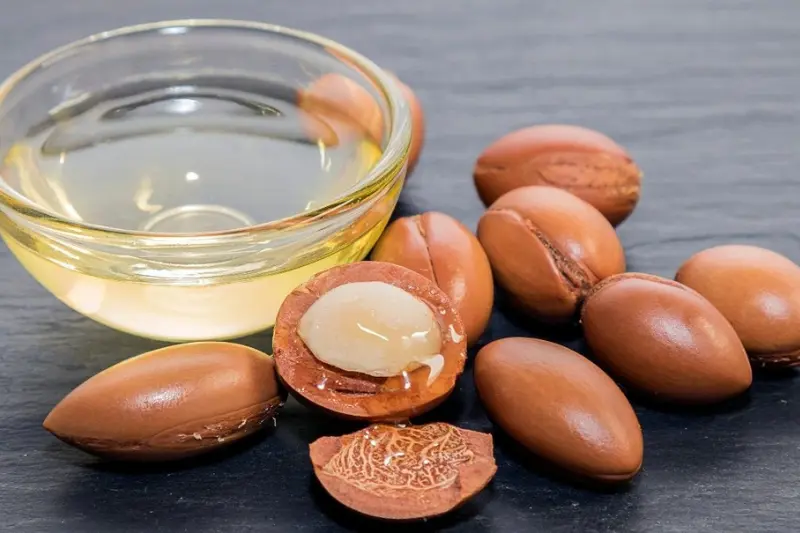
Argan oil is extracted from the kernels of the argan tree, which grows mainly in Morocco. It contains fatty acids, vitamin E, and other antioxidant compounds that make it a popular ingredient in hair care products.
Unlike heavier oils, many argan oil hair serums and lightweight formulations are designed to smooth the hair’s surface without making it feel overly greasy. Argan oil is particularly popular for managing frizz and improving shine.
Benefits of Argan Oil for Hair
1. Helps Control Frizz
If your hair becomes puffy or frizzy in humid weather, argan oil may help smooth the hair surface and make individual strands look more manageable.
2. Adds Shine
Argan oil can give dull hair a healthier-looking shine. You only need a small amount to improve the appearance of dry ends and make your hair look more polished.
3. Improves Hair Manageability
When your hair tangles easily, a little argan oil may help reduce friction between strands, making brushing and styling easier.
4. Helps Soften Dry Ends
If the ends of your hair feel rough, argan oil can help them feel smoother and softer. It does not permanently repair split ends, but it may temporarily improve their appearance.
5. Works Well for Styling
Argan oil is often used as a finishing product after washing or styling. Depending on the formula, it can help smooth flyaways and give your hairstyle a neat finish.
Who Should Use Argan Oil?
Argan oil may be a good option if you have:
- Frizzy or unruly hair
- Dull hair that needs extra shine
- Dry or rough ends
- Hair that tangles easily
- Hair that needs a lightweight finishing product
People with fine hair can often use a lightweight argan oil serum, although the right amount and formula make a difference.
Coconut Oil vs Argan Oil for Hair: Key Differences
Let’s compare the two oils side by side so you can decide which one better suits your needs.
| Feature | Coconut Oil | Argan Oil |
| Main benefit | Helps reduce protein loss | Helps smooth frizz and add shine |
| Best use | Pre-wash hair treatment | Leave-in or finishing treatment |
| Hair feel | Can feel rich and heavy | Often feels lighter, depending on the formula |
| Dry hair | Helps protect against some damage | Helps improve softness and appearance |
| Frizzy hair | May help smooth strands | Often useful for everyday frizz control |
| Fine hair | Can weigh hair down | Lightweight formulas may work better |
| Thick hair | Often suitable for pre-wash use | Useful for smoothing and shine |
| Hair growth | May support length retention by reducing breakage | No strong evidence that it directly increases growth |
| Best application | Before shampooing or as a short treatment | On damp or dry lengths and ends |
Remember that results depend on your hair type, the amount you use, and whether you choose pure oil or a formulated hair product.
Which Is Better for Dry Hair: Coconut Oil or Argan Oil?
Both oils can help dry hair, but they serve slightly different purposes.
Coconut oil is worth trying if your hair feels damaged, breaks easily, or needs extra protection before shampooing. It may help reduce protein loss and improve the condition of the hair shaft.
Argan oil may be more convenient if your hair feels dry after styling or looks dull throughout the day. It can help soften the ends, improve shine, and make your hair easier to manage.
My recommendation: Choose coconut oil for a pre-wash treatment when reducing hair damage is your priority. Choose argan oil when you want a smoother, shinier finish.
You can also use both oils in the same hair care routine without applying large amounts of either one.
Which Is Better for Frizzy Hair?
If frizz is your biggest concern, argan oil is often the more convenient choice.
It can help smooth the hair surface, control flyaways, and improve the appearance of unruly strands. Apply a small amount to damp hair or use a suitable serum after styling.
Coconut oil may also help improve smoothness, particularly on thick, coarse, or very dry hair. However, it can feel too heavy for fine hair and may leave some hair types looking oily.
Keep in mind that neither oil permanently eliminates frizz. Humidity, hair damage, and your natural hair texture all affect how your hair behaves.
Which Is Better for Hair Growth?
Many people use coconut oil or argan oil hoping to grow longer, thicker hair. However, neither oil has strong clinical evidence showing that it directly stimulates hair growth.
Coconut oil may help reduce protein loss and breakage, which can make it easier to retain hair length. Argan oil may help reduce friction and improve the appearance of dry ends, depending on the product and how it is used.
If your hair is breaking frequently, improving your hair care routine may help you retain length. If you are experiencing significant shedding, thinning, or bald patches, it is better to investigate the underlying cause rather than relying on hair oils alone.
You may also like to read this:
OGX Coconut Milk Shampoo Review: Benefits and Results
Olaplex No 3 Hair Perfector Review: Is It Worth It?
Loreal Elvive Dream Lengths Review: Honest Verdict
Shea Moisture Curl Shampoo Review: Is It Worth Buying?
Garnier Hair Food Mask Review: Benefits and Results
Which Oil Is Better for Fine Hair?
If you have fine hair, argan oil may be easier to use because lightweight formulations can smooth the ends without making your hair look flat.
Coconut oil is richer and can weigh fine hair down, especially if you apply too much or leave it on for a long time.
Here are a few tips for fine hair:
- Start with one or two drops of argan oil or a small amount of serum.
- Apply the product mainly to the mid-lengths and ends.
- Avoid applying heavy oil directly to oily roots.
- If you want to try coconut oil, use a small amount before shampooing and wash it out thoroughly.
Your hair’s response matters more than the product’s popularity, so experiment with small amounts first.
Can You Use Coconut Oil and Argan Oil Together?
Yes, you can use both oils together if they suit your hair. They do not need to compete with each other because they can serve different purposes.
For example, you can use coconut oil before shampooing to help reduce protein loss, then apply a small amount of argan oil to your ends after washing to improve smoothness and shine.
You do not need to mix the oils in equal amounts. In fact, using them separately makes it easier to determine which product is helping your hair.
If your hair becomes greasy, limp, or difficult to wash, reduce the amount or use the oils less frequently.
How to Use Coconut Oil for Hair
Follow these simple steps to use coconut oil as a pre-wash treatment.
- Start with a small amount of coconut oil. Warm it between your palms until it spreads easily.
- Apply it to the lengths and ends of your hair, focusing on areas that feel dry or damaged.
- Leave it on for around 20–60 minutes to start. You can adjust the duration depending on how your hair responds.
- Shampoo thoroughly to remove the oil.
- Use conditioner as needed and let your hair dry gently.
You do not have to apply coconut oil every day. Once a week may be a reasonable starting point, although your hair’s needs may differ.
If you have a sensitive scalp or are prone to scalp irritation, avoid applying it directly to the scalp until you know how your skin responds.
How to Use Argan Oil for Hair
Argan oil is often easier to incorporate into your daily routine, especially when you want to control frizz.
- Wash and condition your hair as usual.
- Gently towel-dry your hair if you prefer to apply the oil while it is damp.
- Rub a few drops between your palms.
- Smooth the oil over the mid-lengths and ends.
- Style your hair as usual.
You can also apply a tiny amount to dry hair to smooth flyaways and improve shine.
Pure argan oil and argan oil serums are not always the same. Serums may contain silicones and other ingredients that help with smoothness and heat protection. Do not assume that pure argan oil alone provides adequate protection from hot styling tools.
Are There Any Disadvantages to Coconut Oil and Argan Oil?
Both oils can be useful, but neither is perfect for everyone.
Coconut Oil Disadvantages
- It may weigh down fine or low-density hair.
- It can leave a greasy coating if you apply too much.
- Some people find that their hair feels stiff or coated after using it.
- It may aggravate scalp discomfort in people who are sensitive to the product or its formulation.
Argan Oil Disadvantages
- Too much can make hair look oily or flat.
- Some products marketed as argan oil contain fragrances or other ingredients that may irritate sensitive skin.
- Pure argan oil does not permanently repair split ends.
- It is not a proven treatment for hair loss or faster hair growth.
If either oil causes itching, redness, or irritation, stop using it and wash the product off.
Coconut Oil vs Argan Oil for Hair: Final Verdict
So, which is better: coconut oil vs argan oil for hair?
The best choice depends on what you want to improve. Coconut oil is a strong option for pre-wash protection and reducing protein loss, especially if your hair is dry, thick, or prone to breakage. Argan oil is often more convenient for controlling frizz, improving shine, and softening the appearance of dry ends.
If you want to reduce hair damage, start by trying coconut oil as an occasional pre-shampoo treatment. If you want smoother, shinier hair that is easier to style, try a lightweight argan oil product.
You can also use both products at different stages of your routine. Start with a small amount, pay attention to how your hair responds, and choose the option that leaves your hair feeling healthy and manageable.
Frequently Asked Questions
1. Is coconut oil or argan oil better for hair?
Coconut oil may be better for reducing protein loss and supporting protection against certain types of hair damage. Argan oil is often better for smoothing frizz, adding shine, and improving manageability. Your hair type and goals should guide your choice.
2. Can I apply coconut oil and argan oil every day?
You can use argan oil daily if your hair tolerates it, but most people only need a few drops on the ends. Coconut oil is generally better used occasionally as a pre-wash treatment because it can build up or weigh hair down.
3. Which oil is better for hair fall?
Neither oil is a proven treatment for hair loss from the roots. Coconut oil may help reduce breakage, which can make hair appear fuller over time. Persistent or sudden hair loss should be assessed by a healthcare professional.
4. Does argan oil make hair grow faster?
There is not enough strong clinical evidence to show that argan oil directly increases hair growth. It may improve softness and reduce friction, helping your hair look smoother and better maintained.
5. Can coconut oil make hair dry?
Coconut oil does not necessarily dry out hair, but some people find that their hair feels stiff, rough, or coated after using it. If this happens, reduce the amount, shorten the treatment, or try a different product.





[…] You may also like to read this:Coconut Oil vs Argan Oil for Hair: Which Is Better? […]