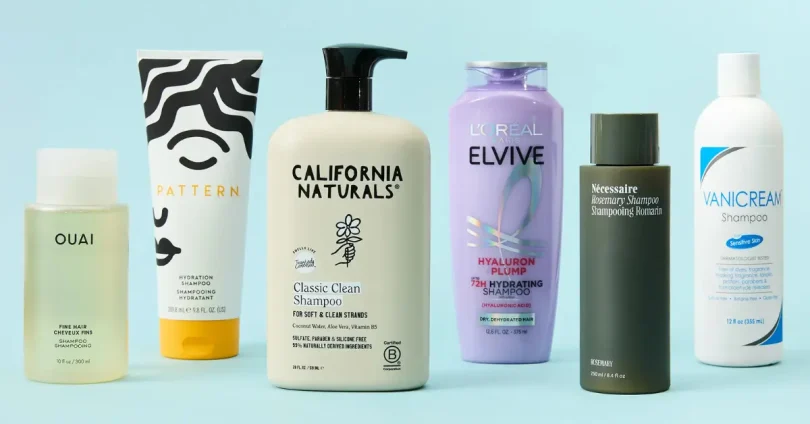

Finding the best shampoos for oily thin hair can be challenging because you need a shampoo that removes excess oil without making your hair dry, flat, or lifeless. If your roots become greasy just one day after washing, or your hair loses its volume within a few hours, choosing the right shampoo can make a noticeable difference.
The good news is that you do not need an expensive hair care routine to keep your hair fresh and fuller-looking. With a lightweight shampoo, the right washing technique, and a few simple habits, you can manage oily roots while keeping your fine hair soft and healthy.
In this guide, we will explore the best shampoos for oily thin hair, the ingredients to look for, how often to wash your hair, and practical tips for maintaining volume.
What Makes Oily Thin Hair Different?
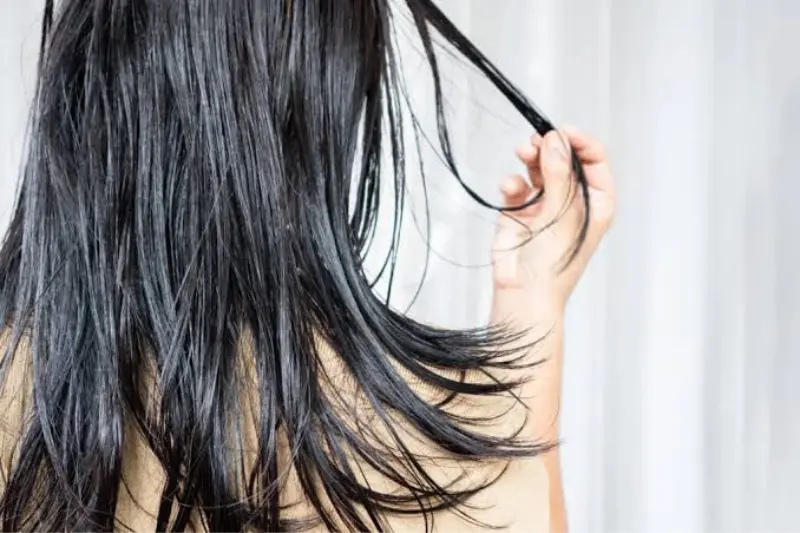
Oily thin hair usually has two main characteristics: fine hair strands and excess oil around the scalp.
Fine hair has a smaller diameter than thick hair, which means it can lose volume easily. When your scalp produces excess sebum, the natural oil spreads along your strands and makes them stick together. As a result, your hair may look greasy, flat, and thinner than it actually is.
You might notice these common problems:
- Your roots become oily quickly after washing.
- Your hair looks flat and lacks volume.
- Your strands stick together or appear stringy.
- Heavy conditioners make your hair feel greasy.
- Your scalp feels oily even when your hair ends feel dry.
The best solution is to choose a lightweight shampoo that cleans your scalp effectively without leaving heavy residue behind.
5 Best Shampoos for Oily Thin Hair

When choosing the best shampoos for oily thin hair, look for products designed for oily scalps, fine strands, or volume. The following options are worth considering based on your hair’s specific needs.
1. Neutrogena Anti-Residue Clarifying Shampoo
Neutrogena Anti-Residue Clarifying Shampoo is an option to consider if your hair feels coated from styling products, dry shampoo, or other buildup.
Clarifying shampoos are designed to remove accumulated residue that can make fine hair look flat and lifeless. However, they can be stronger than everyday shampoos, so use them occasionally and follow the product instructions.
Best for: Hair weighed down by product buildup.
Why consider it: It can help your hair feel cleaner when ordinary shampoo is not removing residue effectively.
2. L’Oréal Paris Elvive Extraordinary Clay Shampoo
L’Oréal Paris Elvive Extraordinary Clay Shampoo is designed for oily roots and drier hair lengths. It may be a suitable choice if your scalp becomes greasy quickly while the ends of your hair feel dry.
A balancing shampoo can help cleanse your scalp without requiring you to wash the lengths aggressively.
Best for: Oily roots with dry or normal ends.
Why consider it: It is designed for people who experience different oil and moisture needs across their hair.
3. L’Oréal Paris EverPure Volume Shampoo
If your main concern is flat hair, a lightweight volumizing shampoo may be more suitable than a rich moisturizing formula.
L’Oréal Paris EverPure Volume Shampoo is worth considering if you have fine strands that need a fuller-looking finish. Check the current formulation available in your country before purchasing.
Best for: Fine hair that needs more body.
Why consider it: Volumizing shampoos are generally designed to cleanse without weighing the hair down with excessive conditioning ingredients.
4. OGX Apple Cider Vinegar Shampoo
An apple cider vinegar-inspired shampoo may be worth considering if you want a refreshing cleansing product for hair that feels heavy from oil or styling residue.
Formulas vary, so choose a product that suits your scalp and avoid applying concentrated vinegar directly to your skin.
Best for: People looking for a refreshing cleansing shampoo.
Why consider it: It may fit into a hair care routine focused on removing residue and keeping the scalp clean.
5. Kérastase Spécifique Bain Divalent Shampoo
Kérastase Spécifique Bain Divalent is a premium shampoo designed for oily roots and sensitized lengths.
It may be worth considering if your scalp gets greasy while the rest of your hair needs gentle care. Since it is a premium product, compare the price and availability before purchasing.
Best for: Oily roots with lengths that need extra care.
Why consider it: It is specifically formulated for hair that has different needs at the scalp and along the lengths.
Note: Product availability, ingredients, and formulations can change. Check the current product label before buying.
What Ingredients Should You Look for in a Shampoo?
The ingredients in your shampoo can influence how clean, light, and manageable your hair feels.
1. Salicylic Acid
Salicylic acid helps loosen dead skin cells and may be useful in shampoos formulated for oily or flaky scalps.
If you also experience persistent itching or dandruff, look for a product designed specifically for that concern.
2. Lightweight Cleansing Agents
Cleansing agents remove excess oil, sweat, dirt, and product residue from the scalp.
You do not necessarily need a sulfate-free shampoo. Some people with oily scalps find that shampoos containing sulfates cleanse more effectively, while others prefer milder formulas.
The best choice is one that removes oil without causing irritation or excessive dryness.
3. Volumizing Ingredients
Look for shampoos labeled lightweight, volumizing, or suitable for fine hair.
These products are often formulated to help the hair maintain its natural movement and body. Although shampoo cannot permanently increase the thickness of individual strands, the right formula can make your hair appear fuller.
4. Tea Tree Oil
Tea tree oil is found in some shampoos marketed for oily scalps. However, it can irritate sensitive skin, particularly in concentrated forms.
Choose a properly formulated shampoo and discontinue use if you notice burning, redness, or itching.
You may also like to read this:
Best Shampoos For Low Porosity Hair: Top 7 Picks
Best Conditioners For Dry Curly Hair To Reduce Frizz
Best Hair Masks For Damaged Hair and Dry Strands
Best Leave In Conditioners for Fine Hair That Add Softness
Best Hair Oils For Dry Scalp To Restore Moisture
Ingredients and Products to Be Careful With
Not every moisturizing ingredient is bad for thin hair. However, very rich formulas may make fine strands appear flatter.
Consider limiting the following if your hair becomes greasy or limp easily:
- Heavy oils applied directly to the scalp.
- Rich conditioning products that leave a heavy coating.
- Excessive use of leave-in creams and styling products.
- Frequent use of dry shampoo without regular cleansing.
You do not need to avoid every oil, silicone, or sulfate. Your scalp’s comfort and the way your hair responds to a product are more important than avoiding one ingredient category.
How to Choose the Best Shampoo for Your Hair
The right shampoo depends on your main hair concern.
| Your main concern | Shampoo type to consider |
| Greasy roots every day | Lightweight shampoo for oily scalps |
| Flat hair without volume | Volumizing shampoo for fine hair |
| Product buildup | Occasional clarifying shampoo |
| Oily scalp and dry ends | Balancing shampoo |
| Oily scalp with dandruff | Shampoo formulated for dandruff |
If you are unsure where to start, choose a lightweight shampoo designed for oily scalps or fine hair. Use it consistently for several washes and see how your scalp responds before trying another product.
How Often Should You Wash Oily Thin Hair?
You may need to wash oily thin hair more frequently than someone with a dry scalp. For some people, daily washing is perfectly reasonable, provided the shampoo does not cause irritation or excessive dryness.
Follow these simple steps to improve your washing routine:
- Wet your hair thoroughly. Use lukewarm water to prepare your scalp for cleansing.
- Apply shampoo to your scalp. Concentrate on the roots instead of rubbing the lengths aggressively.
- Massage gently. Use your fingertips rather than your nails.
- Rinse thoroughly. Leftover shampoo can contribute to residue or irritation.
- Repeat only when needed. If your scalp is very oily or you use heavy styling products, a second gentle wash may help.
- Condition the ends. Apply a lightweight conditioner mainly to the mid-lengths and ends.
Avoid very hot water and aggressive scrubbing, as these can irritate your scalp.
Tips to Make Thin Hair Look Fuller and Less Oily
Choosing the best shampoos for oily thin hair is only part of the solution. Your daily habits can also affect how your hair looks and feels.
Use Conditioner Correctly
You do not need to skip conditioner just because your hair is oily. Instead, choose a lightweight formula and apply it mainly to the lengths and ends.
Keeping heavy conditioner away from your roots may help your hair maintain more volume.
Avoid Excessive Hair Oil
Hair oil can help protect dry lengths, but applying large amounts to your scalp may make oily hair look greasy faster.
If you want to use oil, try applying a small amount to the ends before washing your hair.
Clean Your Hairbrush Regularly
Hairbrushes collect oil, loose hair, dust, and styling products. Cleaning your brush regularly can help prevent residue from transferring back onto freshly washed hair.
Use Dry Shampoo Carefully
Dry shampoo can absorb some oil and refresh your roots between washes. However, it does not replace regular shampooing.
Wash your hair regularly to remove accumulated oil and product residue, and stop using dry shampoo if it irritates your scalp.
Choose Lightweight Styling Products
Heavy creams, waxes, and thick styling products can weigh down fine hair.
Try lightweight mousse or a volumizing spray when you want more body without adding too much weight.
Common Mistakes to Avoid
If your hair becomes oily soon after washing, a few common mistakes may be contributing to the problem.
- Using too much conditioner: Apply it mainly to the ends of your hair.
- Choosing a very rich shampoo: Try a lighter formula intended for oily roots or fine hair.
- Scrubbing too aggressively: Gentle cleansing is usually enough.
- Overusing clarifying shampoo: Strong cleansing products may dry or irritate your scalp.
- Ignoring scalp symptoms: Persistent itching, redness, heavy scaling, or sudden changes in hair density may require professional advice.
Remember that thin hair and hair thinning are not the same thing. Fine hair describes strand diameter, while thinning can mean you are losing hair density. If you notice unusual shedding or a widening part, consider consulting a dermatologist.
Frequently Asked Questions
1. What is the best shampoo for oily thin hair?
The best choice is usually a lightweight shampoo designed for oily scalps or fine hair. L’Oréal Paris Elvive Extraordinary Clay and volumizing shampoo formulas are options to investigate, depending on your scalp and hair lengths.
2. Can I wash oily thin hair every day?
Yes. Daily washing can be appropriate if your scalp gets oily quickly. Choose a shampoo that cleans effectively without causing dryness, irritation, or discomfort.
3. Does shampoo make thin hair thicker?
Shampoo cannot permanently increase your natural strand diameter. However, volumizing formulas can remove excess oil and residue, helping your hair look fuller.
4. Should I use conditioner if I have oily thin hair?
Yes. Use a lightweight conditioner on the mid-lengths and ends. Avoid applying large amounts directly to your scalp if that makes your roots greasy.
5. Is clarifying shampoo good for oily thin hair?
It can be helpful when product buildup makes your hair feel heavy. Use it as needed rather than automatically using it every day, and follow the product instructions.
Conclusion
Finding the best shampoos for oily thin hair becomes easier when you focus on your scalp’s needs rather than choosing a product simply because it promises thicker hair.
A lightweight shampoo for oily roots, occasional clarifying when buildup occurs, and conditioner applied mainly to the ends can help your hair look cleaner, fresher, and fuller.
Start with a shampoo designed for oily scalps or fine hair, pay attention to how your scalp responds, and adjust your routine as needed. With consistent care, you can manage excess oil without sacrificing softness or volume.