
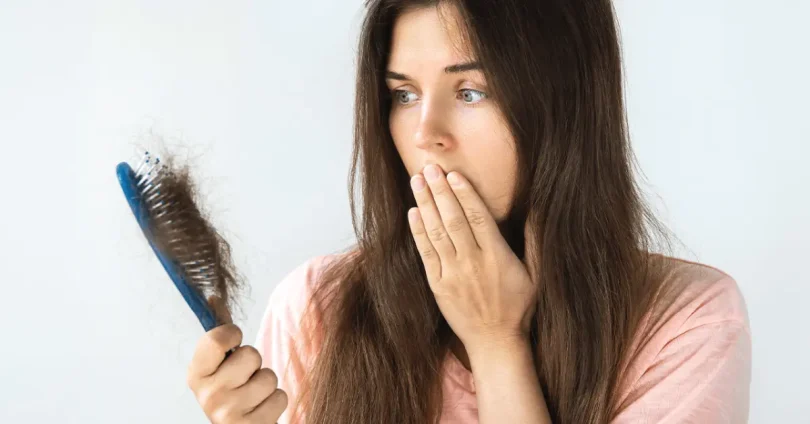

If your hair feels weak, looks rough, or breaks whenever you brush it, learning how to reduce hair breakage can help you improve its strength and appearance. Hair breakage is a common problem caused by dryness, excessive heat styling, tight hairstyles, harsh hair treatments, and improper hair care habits. The good news is that you can often reduce breakage by making a few simple changes to your daily routine.
In this guide, you’ll learn what causes hair breakage, how to prevent it, and which hair care habits can help keep your hair smoother, stronger, and healthier.
What Is Hair Breakage?
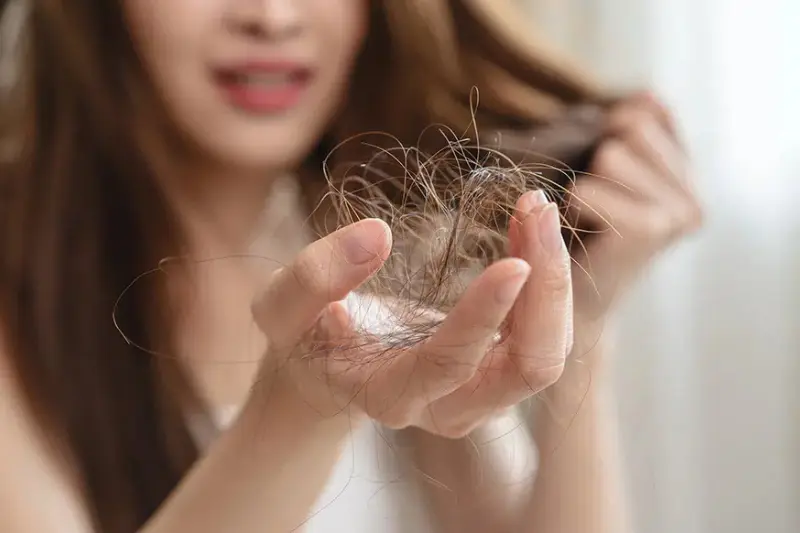
Hair breakage happens when the hair shaft becomes weak and snaps along its length. Unlike hair shedding, which involves hair falling out from the roots, breakage usually leaves shorter pieces of hair behind.
You might notice split ends, uneven hair lengths, small broken strands on your pillow, or hair snapping when you comb it.
Hair breakage can affect every hair type, including straight, wavy, curly, and coily hair. However, dry, chemically treated, and frequently heat-styled hair may be more vulnerable.
What Causes Hair Breakage?
Before learning how to reduce hair breakage, it helps to understand why your hair is becoming damaged.
1. Excessive Heat Styling
Using flat irons, curling irons, and blow dryers at high temperatures can damage the hair’s protective outer layer. Repeated heat exposure may leave your hair dry, brittle, and more likely to break.
2. Brushing Hair Too Roughly
Pulling a brush through tangled hair can create tension and cause strands to snap. Brushing aggressively, especially when your hair is wet and fragile, can make the problem worse.
3. Dryness and Lack of Conditioning
Dry hair often becomes less flexible and more prone to breakage. Skipping conditioner, using harsh shampoos, or frequently washing your hair with very hot water may contribute to dryness.
4. Tight Hairstyles
Tight ponytails, buns, braids, and extensions can place constant tension on your hair. Over time, this tension may cause breakage around your hairline and temples and can contribute to traction alopecia, a form of hair loss.
5. Chemical Treatments
Bleaching, coloring, relaxing, and perming can weaken the hair shaft. Repeated chemical treatments, particularly when combined with heat styling, may increase damage.
6. Nutritional Deficiencies
Your hair needs adequate protein, iron, zinc, and other nutrients to grow normally. An unbalanced diet or certain nutritional deficiencies can contribute to hair problems, including increased shedding and sometimes weaker hair.
How to Reduce Hair Breakage
You don’t necessarily need expensive products to improve your hair care routine. Start with these practical steps and follow them consistently.
1. Use a Gentle Shampoo
Choose a shampoo that cleans your scalp without leaving your hair feeling excessively dry. If your hair is dry, curly, or chemically treated, a gentle, moisturizing formula may be a good option.
When washing your hair:
- Apply shampoo mainly to your scalp.
- Massage gently with your fingertips rather than scratching with your nails.
- Avoid rough rubbing and twisting.
- Let the shampoo rinse through the lengths of your hair.
You don’t need to scrub the ends aggressively because they are often the oldest and most fragile parts of your hair.
2. Condition Your Hair After Washing
Conditioner is one of the simplest ways to help reduce hair breakage. It smooths the hair surface, improves manageability, and reduces friction while combing.
Apply conditioner mainly to the middle lengths and ends of your hair, following the product instructions. Leave it on for the recommended time and rinse thoroughly.
If your hair is particularly dry or tangled, consider using a leave-in conditioner after washing.
3. Detangle Your Hair Gently
The way you detangle your hair can make a noticeable difference.
Start by separating your hair into small sections. Use your fingers or a wide-tooth comb to loosen knots, beginning at the ends and gradually moving upward.
Avoid pulling hard when you encounter a tangle. Add a little leave-in conditioner or detangling product if needed.
For curly or coily hair, detangling while the hair is damp and coated with conditioner may be easier. For fine or straight hair, use a gentle approach and avoid unnecessary pulling when the hair is wet.
4. Reduce Heat Styling
If you regularly use heat tools, reducing their frequency is an effective way to protect your hair.
Try these alternatives:
- Allow your hair to air-dry when practical.
- Use heatless curls instead of a curling iron.
- Choose loose braids or other low-tension styles.
- Use the lowest effective heat setting.
- Apply a heat protectant before styling with hot tools.
Remember that heat protectants can help reduce damage, but they cannot eliminate it completely.
5. Avoid Tight Hairstyles
Your favorite hairstyle shouldn’t leave your scalp feeling sore or tight. Constant tension can damage the hair around your hairline.
Choose loose ponytails, relaxed buns, and soft braids instead. Use fabric-covered scrunchies or snag-free hair ties rather than tight elastics.
Give your hair regular breaks from extensions and hairstyles that pull on the roots. If you notice thinning around your temples or hairline, seek professional advice early.
6. Apply Hair Oil Carefully
Hair oils can help lubricate strands, improve softness, and reduce friction. Some oils, such as coconut oil, may also help reduce protein loss from hair under certain conditions.
You can try applying a small amount of coconut, argan, or another suitable hair oil to your lengths and ends before washing or after styling.
Keep these tips in mind:
- Start with a small amount.
- Focus on dry lengths and split ends rather than applying excessive oil to your scalp.
- Wash out pre-shampoo oil if your hair feels heavy.
- Stop using a product if it irritates your scalp.
Hair oil can improve the feel and manageability of damaged hair, but it cannot permanently repair split ends or restore hair that has already broken.
7. Use a Deep Conditioning Treatment
A deep conditioner or hair mask may help dry hair feel softer, smoother, and easier to manage.
Use a product suited to your hair type once a week or according to its directions. If your hair is bleached or chemically treated, a product designed for damaged hair may be helpful.
Look for conditioning ingredients such as fatty alcohols, silicones, and moisturizing agents. These can improve slip and reduce friction during detangling.
You don’t need to use multiple masks at once. A simple routine that suits your hair is usually easier to maintain.
8. Trim Split Ends Regularly
Split ends cannot permanently join back together. If they are left untreated, the damage may travel farther along the hair shaft.
Trimming damaged ends can make your hair look neater and help prevent existing splits from worsening. How often you need a trim depends on your hair condition, length, and styling habits.
You don’t have to cut off a large amount of hair. Ask your stylist for a small trim if you want to preserve your length.
9. Protect Your Hair While Sleeping
Friction between your hair and pillowcase can contribute to tangling, particularly if your hair is long, curly, or fragile.
To protect your hair overnight:
- Use a satin or silk pillowcase.
- Make a loose braid if your hair tangles easily.
- Use a soft scrunchie instead of a tight elastic.
- Avoid sleeping with wet hair tied tightly.
- Keep your hairstyle comfortable rather than pulling it firmly against your scalp.
These steps may help reduce friction and make your morning hair routine easier.
10. Eat a Balanced Diet
Healthy hair depends on more than shampoo and conditioner. Your body needs sufficient nutrients to support normal hair growth.
Include a variety of foods in your daily meals, such as:
- Eggs: Provide protein and several nutrients involved in normal hair health.
- Fish and chicken: Supply protein and other important nutrients.
- Lentils and beans: Offer plant-based protein and iron.
- Nuts and seeds: Provide healthy fats, minerals, and other nutrients.
- Leafy green vegetables: Supply folate and other vitamins and minerals.
- Yogurt and milk: Provide protein and other nutrients, depending on the product.
Avoid crash diets and extreme food restrictions. If you suspect an iron deficiency or another nutritional problem, speak with a healthcare professional before taking supplements. Excessive amounts of certain vitamins and minerals can actually worsen hair loss.
Natural Ways to Help Reduce Hair Breakage

If you prefer a simple hair care routine, a few home-based approaches may help improve manageability.
Coconut Oil Before Shampooing
Apply a small amount of coconut oil to your hair lengths before washing. Leave it on for a period that suits your routine, then shampoo as needed.
Coconut oil has some evidence for reducing hair protein loss, although results vary and it does not repair every type of damage.
Aloe Vera for Hair Care
Some people use aloe vera gel to condition their hair and improve softness. If you try it, choose a product intended for cosmetic use and test it on a small area of skin first.
Evidence that aloe vera directly prevents hair breakage is limited, so consider it an optional conditioning step rather than a proven treatment.
Gentle Towel Drying
Instead of rubbing your hair vigorously with a regular towel, gently squeeze out excess water with a soft microfiber towel or cotton T-shirt.
This simple habit can reduce friction and unnecessary pulling while your hair is wet.
Reduce Chemical Treatments
Taking a break from bleaching, relaxing, or repeatedly coloring your hair can help prevent additional damage. If you choose to continue chemical treatments, avoid overlapping them on already damaged sections and seek help from an experienced stylist.
Best Hair Care Routine to Prevent Breakage
A consistent routine is often more useful than trying a different product every week.
Morning Routine
- Detangle gently if needed.
- Apply a small amount of leave-in conditioner to dry lengths if your hair feels rough.
- Choose a loose hairstyle that doesn’t pull on your scalp.
- Avoid unnecessary heat styling.
Wash-Day Routine
- Wet your hair with lukewarm water.
- Massage shampoo gently into your scalp.
- Apply conditioner to the lengths and ends.
- Detangle carefully using a suitable comb or your fingers.
- Blot excess water without rubbing.
- Apply leave-in conditioner or heat protectant if appropriate.
- Air-dry when practical or use a blow dryer on a lower heat setting.
Weekly Routine
- Use a deep conditioner if your hair needs extra moisture.
- Check for split ends and areas of frequent breakage.
- Clean your combs and brushes.
- Review your use of heat tools and tight hairstyles.
Adjust this routine to your hair type. Fine hair may need lighter products, while thick, curly, or coily hair may benefit from richer conditioners and more careful detangling.
How to Reduce Hair Breakage in Different Hair Types
Hair care needs vary, so it helps to adjust your routine.
For Dry Hair
Use a moisturizing conditioner, reduce heat styling, and consider a leave-in product. Avoid shampoos or treatments that consistently leave your hair feeling rough.
For Curly Hair
Use plenty of conditioner when detangling, work in sections, and avoid brushing curls aggressively when dry. Protective hairstyles should remain loose and comfortable.
For Fine Hair
Choose lightweight conditioners and avoid applying too much oil near the roots. Handle your hair gently because heavy products and excessive brushing can make styling more difficult.
For Long Hair
Pay special attention to the ends, which have experienced more wear over time. Detangle from the bottom upward, protect your hair while sleeping, and trim split ends when necessary.
For Chemically Treated Hair
Limit additional bleaching and heat exposure. Use conditioning products designed for damaged hair and give your hair time to recover between chemical treatments.
You may also like to read this:
How To Fix Dry Hair Naturally: 10 Easy Home Remedies
Hair Care Routine For Beginners: A Simple Guide
How To Moisturize Curly Hair For Soft, Healthy Curls
How To Care For Low Porosity Hair: Complete Guide
Common Hair Care Mistakes That Cause Breakage
Even when you use good products, certain habits can continue damaging your hair.
Avoid these common mistakes:
- Brushing aggressively to remove tangles.
- Using flat irons or curling irons at high temperatures every day.
- Skipping conditioner after shampooing.
- Tying your hair tightly for long periods.
- Bleaching or relaxing already damaged hair.
- Rubbing wet hair vigorously with a towel.
- Using excessive amounts of home remedies or essential oils.
- Taking hair supplements without knowing whether you need them.
- Expecting oils or masks to permanently repair split ends.
The most important thing is to identify which habits are damaging your hair and change them gradually.
How Long Does It Take to Reduce Hair Breakage?
You may notice that your hair feels smoother and is easier to comb after changing your conditioning routine. However, reducing visible breakage takes time because existing damage cannot be completely reversed.
With consistent care, you may notice fewer broken strands over several weeks, although results vary depending on the cause and severity of the damage.
Remember that hair grows from the roots. Conditioning products can improve the condition of the existing hair shaft, but they cannot make a broken strand reconnect or instantly restore its original strength.
If your hair continues breaking despite gentle care, or you notice sudden thinning, bald patches, scalp pain, or significant shedding, consult a dermatologist. Hair loss and breakage can have different causes and may require different treatments.
Conclusion
Learning how to reduce hair breakage starts with understanding what your hair needs and avoiding habits that weaken it. Use a gentle shampoo, condition after washing, detangle carefully, limit heat styling, and choose hairstyles that don’t pull on your scalp.
You should also maintain a balanced diet, protect your hair while sleeping, and trim split ends when needed. You don’t need an expensive collection of products to build a healthier routine. Start with a few manageable changes, stay consistent, and give your hair time to show improvement.
Frequently Asked Questions About How to Reduce Hair Breakage
1. How can I reduce hair breakage naturally?
You can reduce hair breakage naturally by using a gentle shampoo, conditioning your hair regularly, applying a small amount of suitable hair oil, avoiding excessive heat, and detangling your hair carefully. Eating a balanced diet with enough protein and essential nutrients can also support healthy hair.
2. What is the main cause of hair breakage?
The main causes of hair breakage include excessive heat styling, dryness, rough brushing, tight hairstyles, chemical treatments, and split ends. Identifying the cause can help you choose the right hair care routine.
3. Which oil is best for reducing hair breakage?
Coconut oil may help reduce hair protein loss and improve manageability. Argan oil and other conditioning oils can also help smooth the hair and reduce friction. However, oils cannot permanently repair split ends or reconnect broken strands.
4. How can I stop my hair from breaking when brushing?
Use a wide-tooth comb or a suitable detangling brush, start at the ends, and work your way upward. Avoid pulling through knots, and use a leave-in conditioner if your hair tangles easily.
5. Does hair breakage mean hair loss?
No. Hair breakage occurs when strands snap along their length, while hair shedding usually involves hair falling out from the roots. However, both can happen at the same time, so persistent thinning or excessive shedding should be evaluated by a dermatologist.



[…] How To Reduce Hair Breakage With Simple Hair Care Tips […]
[…] How To Reduce Hair Breakage With Simple Hair Care Tips […]
[…] How To Reduce Hair Breakage With Simple Hair Care Tips […]
[…] You may also like to read this:How To Reduce Hair Breakage With Simple Hair Care Tips […]