


If your hair takes a long time to get wet, products seem to sit on the surface, or your hair takes hours to dry, you may have low porosity hair. Learning how to care for low porosity hair can help you keep your strands soft, hydrated, manageable, and healthy without using too many products. The secret is to choose lightweight hair care products, use gentle warmth when appropriate, and avoid buildup that makes your hair feel heavy.
In this guide, you’ll learn how to identify low porosity hair, build a simple hair care routine, choose suitable products, and avoid common mistakes.
What Is Low Porosity Hair?

Low porosity hair has a tightly packed outer layer, known as the cuticle, which can make it more difficult for water and some hair care ingredients to enter the hair shaft.
This doesn’t mean your hair cannot absorb moisture. It simply means you may need to adjust your hair care routine to help water and conditioning products work more effectively.
Low porosity hair can be straight, wavy, curly, or coily. Hair porosity is different from hair texture, so you can have fine low porosity hair or thick low porosity hair.
How to Tell If You Have Low Porosity Hair
Before changing your routine, look for these common signs:
- Your hair takes time to get completely wet: Water may initially sit on the surface instead of soaking in quickly.
- Your hair takes a long time to dry: This can happen with low porosity hair, although hair thickness and density also affect drying time.
- Products build up easily: Heavy creams, oils, and butters may leave your hair greasy or coated.
- Your hair feels weighed down: Your strands may lose volume when you use rich conditioners or styling products.
- Your hair resists some treatments: Certain conditioning products may seem to sit on the surface rather than making your hair feel softer.
No single sign confirms hair porosity. Your hair’s behavior over time is more useful than relying on a popular floating-hair test.
1. Use a Gentle, Effective Shampoo
One of the most important steps in learning how to care for low porosity hair is keeping your scalp and hair clean.
Because low porosity hair can be prone to product buildup, regular cleansing helps remove excess oil, styling products, and residue.
Choose a gentle shampoo that cleans your scalp without leaving your hair feeling excessively dry.
How Often Should You Wash Low Porosity Hair?
Your washing schedule depends on your scalp, lifestyle, and hair texture. Some people do well washing two or three times a week, while others need less frequent washing.
If your scalp becomes oily or itchy quickly, you may need to shampoo more often. If your hair is dry or tightly curled, you may benefit from washing less frequently.
Use a clarifying shampoo occasionally if you notice stubborn buildup, dullness, or hair that feels coated. Follow the product instructions and use a conditioner afterward.
2. Choose Lightweight Conditioners
Conditioning is essential for keeping low porosity hair soft, smooth, and easier to manage. However, heavy conditioners may weigh your hair down.
Look for lightweight, water-based conditioners that provide slip and help reduce tangles.
Ingredients such as glycerin, aloe vera, and certain conditioning agents may work well depending on your hair and the climate. You don’t need to avoid every oil or silicone; the best choice depends on how your hair responds.
How to Apply Conditioner Properly
Follow these simple steps:
- Wet your hair thoroughly with lukewarm water.
- Apply conditioner evenly to your lengths and ends.
- Gently distribute it with your fingers or a wide-tooth comb.
- Leave it on for the time recommended on the label.
- Rinse thoroughly to remove excess product.
If your hair feels greasy or coated after conditioning, try using less product or switching to a lighter formula.
3. Use Gentle Warmth During Deep Conditioning
Low porosity hair may benefit from gentle warmth while using a deep conditioner. Warmth can help soften the hair and improve the spreading of conditioning products, making the treatment easier to apply evenly.
You can use a warm, damp towel around your hair or a conditioning cap according to the product instructions.
How to Deep Condition Low Porosity Hair
- Start with clean, damp hair.
- Apply a moderate amount of deep conditioner.
- Cover your hair with a conditioning cap if recommended.
- Allow the product to sit for the time specified on its label.
- Rinse thoroughly.
Once a week may be a reasonable starting point if your hair needs extra conditioning, but some people need deep conditioning less often.
Avoid excessive heat, boiling-hot water, or prolonged heat exposure. These can damage your hair or irritate your scalp.
4. Use Lightweight Leave-In Products
Leave-in conditioners can help make low porosity hair easier to detangle and style. The key is choosing a product that provides enough moisture without leaving a heavy coating.
Look for lightweight sprays, lotions, or water-based leave-in conditioners.
Apply a small amount to damp hair, concentrating on the lengths and ends. If your hair feels sticky, greasy, or flat afterward, reduce the amount or choose a lighter product.
You do not need several leave-in products at once. Start with one and see how your hair responds.
5. Be Careful With Heavy Oils and Butters
Heavy oils and thick butters can be useful for some hair types, but they may make low porosity hair feel greasy or weighed down.
Instead of layering several oils and creams, begin with a simple routine and add products only when needed.
Lightweight oils, such as argan oil or jojoba oil, may work for some people when used sparingly. However, no oil is automatically best for every low porosity hair type.
How to Use Hair Oil Without Buildup
- Apply a very small amount to your hair.
- Focus on the ends if they feel dry.
- Avoid repeatedly layering oil over existing product buildup.
- Shampoo regularly enough to keep your scalp and hair clean.
Remember that oils can help reduce friction and improve the feel of your hair, but they do not replace water-based conditioning.
6. Detangle Your Hair Gently
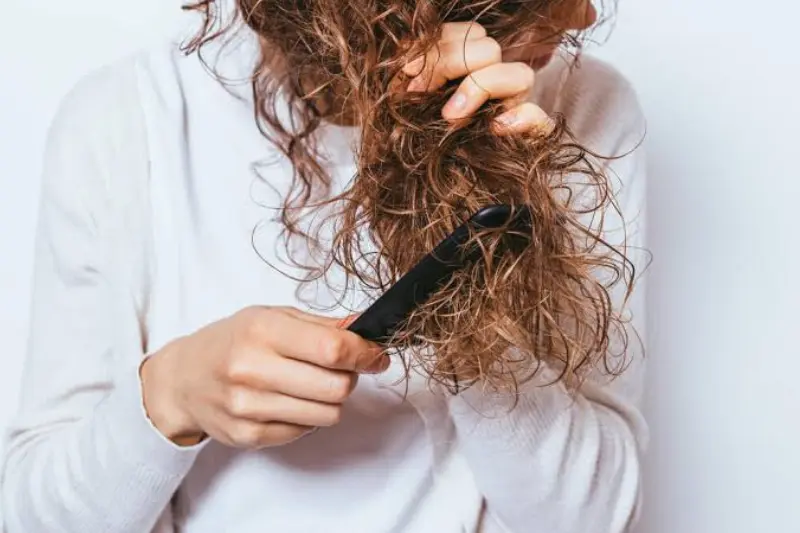
Low porosity hair still needs careful detangling, especially if your strands are curly, coily, or prone to knots.
Pulling a comb through tangled hair can cause breakage, so take your time.
Use a conditioner with good slip and work through small sections. Start at the ends and gradually move toward the roots.
A wide-tooth comb or your fingers can help you detangle more gently. Avoid forcing a brush through stubborn knots, and don’t rub your hair aggressively with a towel.
If your hair is tightly curled, choose a detangling method that works with your natural curl pattern.
7. Avoid Too Much Protein
Protein-containing hair products can help improve the feel and manageability of some damaged hair. However, not everyone needs frequent protein treatments.
If your hair feels stiff, rough, or unusually difficult to manage after using protein-heavy products, consider reducing their frequency and focusing on a moisturizing conditioner instead.
Look for ingredients such as hydrolyzed keratin, hydrolyzed wheat protein, or hydrolyzed rice protein on product labels if you want to identify protein-containing formulas.
Low porosity hair does not automatically mean you must avoid protein. Your hair’s condition and response to products matter more than porosity alone.
8. Protect Your Hair While Sleeping
Your nighttime habits can make a difference in how manageable your hair feels the next morning.
Friction from cotton pillowcases and rough bedding may contribute to tangling and breakage, particularly if your hair is curly or fragile.
Try these simple habits:
- Use a satin or silk pillowcase.
- Wear a comfortable satin bonnet if it suits your hairstyle.
- Loosely braid or tie long hair before sleeping.
- Avoid tight hairstyles that pull on your roots.
- Detangle gently before styling rather than pulling at knots in the morning.
These habits can help reduce friction and protect your hair while you sleep.
9. Protect Low Porosity Hair From Heat Damage
Low porosity hair is not necessarily more sensitive to heat than other hair types, but excessive heat can damage any hair.
If you use a blow dryer, curling iron, or straightener, take precautions to protect your strands.
Use a heat protectant designed for your styling method, select a moderate temperature, and avoid repeatedly passing a hot tool over the same section.
Whenever possible, allow your hair to air-dry partially before blow-drying. If you have curls, use a diffuser on a suitable low or moderate setting.
10. Build a Simple Low Porosity Hair Care Routine
You don’t need a shelf full of expensive products to care for low porosity hair. A consistent, simple routine is often easier to maintain.
Morning Routine
- Refresh your hair with a little water if needed.
- Apply a small amount of lightweight leave-in conditioner when your hair needs it.
- Detangle gently and style as desired.
- Avoid adding more products if your hair already feels coated.
Wash-Day Routine
- Shampoo your scalp thoroughly.
- Apply conditioner to your lengths and ends.
- Detangle gently while the conditioner provides slip.
- Rinse well.
- Apply a lightweight leave-in product if needed.
- Let your hair air-dry or use a heat protectant before heat styling.
Weekly or Occasional Care
- Use a deep conditioner when your hair needs extra softness.
- Clarify when product buildup becomes noticeable.
- Trim split ends when necessary.
- Adjust your routine according to the weather and your hair’s condition.
Your routine may need to change with the seasons. For example, humid weather may make some products feel sticky, while dry weather may leave your hair needing more conditioning.
Best Ingredients for Low Porosity Hair
There is no single ingredient that works for everyone, but these options can help you choose products more confidently.
| Ingredient or product type | Potential benefit |
| Water-based conditioners | Provide moisture without relying entirely on heavy oils |
| Glycerin | Helps attract and retain moisture under suitable conditions |
| Aloe vera | Can help improve the feel and spreadability of some formulas |
| Lightweight leave-in conditioners | Help with softness and detangling |
| Conditioning agents | Improve slip and reduce friction during combing |
| Clarifying shampoo | Removes stubborn product buildup when needed |
| Lightweight oils | May help smooth hair and reduce friction when used sparingly |
The complete formula matters more than one ingredient. If a product consistently leaves your hair soft, clean, and manageable, it may be a good choice for you.
Common Mistakes to Avoid With Low Porosity Hair
Even with good products, a few common habits can make low porosity hair harder to manage.
Using Too Many Products
Layering leave-in conditioners, creams, oils, gels, and butters can create buildup. Start with fewer products and add more only when necessary.
Skipping Shampoo
Avoiding shampoo completely may allow oil, sweat, and styling residue to accumulate on your scalp. Choose a suitable cleanser rather than relying only on conditioner.
Using Excessive Heat
Warmth during conditioning is different from using high heat on your hair. Keep heat exposure moderate and follow product instructions.
Applying Too Much Oil
Oil can make your hair feel smooth, but excessive amounts may leave it greasy or coated. Use a small amount and adjust according to your results.
Ignoring Your Scalp
Healthy-looking hair starts with a comfortable, clean scalp. If you experience persistent itching, flaking, pain, or unusual hair loss, consider seeking advice from a qualified healthcare professional.
You may also like to read this:
How To Fix Dry Hair Naturally: 10 Easy Home Remedies
Hair Care Routine For Beginners: A Simple Guide
How To Reduce Hair Breakage With Simple Hair Care Tips
How To Moisturize Curly Hair For Soft, Healthy Curls
How to Keep Low Porosity Hair Soft and Healthy
The easiest way to keep low porosity hair manageable is to focus on consistency instead of complicated treatments.
Use a suitable shampoo, condition your hair regularly, choose lightweight products, and remove buildup when necessary. Detangle gently, protect your hair from excessive heat, and pay attention to how your strands respond to each product.
You may need to experiment a little before finding the right balance. If your hair feels soft and moves naturally without becoming greasy or coated, your routine is probably working well.
Conclusion
Learning how to care for low porosity hair doesn’t have to be difficult. Once you understand how your hair responds to water, conditioners, oils, and styling products, you can build a routine that keeps it clean, soft, and manageable.
Start with a gentle shampoo, a lightweight conditioner, and a simple leave-in product if needed. Use gentle warmth during conditioning when appropriate, avoid excessive product buildup, and protect your hair from heat and friction. Most importantly, remember that low porosity hair is not the same for everyone, so choose your routine based on what works best for your strands.
Frequently Asked Questions About Low Porosity Hair
1. What is the best way to care for low porosity hair?
The best way to care for low porosity hair is to use a gentle shampoo, lightweight conditioner, and water-based hair products. Avoid using too many heavy oils and creams, as they can cause buildup and make your hair feel greasy.
2. How often should you wash low porosity hair?
You can wash low porosity hair as often as your scalp needs. For many people, washing two or three times a week works well, but your ideal schedule depends on your scalp condition, hair texture, and product use.
3. Which oils are best for low porosity hair?
Lightweight oils, such as argan oil and jojoba oil, may work well for low porosity hair when applied sparingly. Start with a small amount to see how your hair responds, and avoid applying excessive oil that may weigh down your strands.
4. Is low porosity hair difficult to moisturize?
Low porosity hair can sometimes be difficult to moisturize because its tightly packed cuticle layer may slow water absorption. Using water-based conditioners, applying products to damp hair, and avoiding excessive buildup can help keep your hair hydrated and manageable.
5. Should you use heat on low porosity hair?
Gentle warmth during deep conditioning may help some people distribute conditioning products more effectively. However, you should avoid excessive heat and follow the product instructions to prevent hair damage.




[…] You may also like to read this:How To Care For Low Porosity Hair: Complete Guide […]