


Starting a new hair care routine can feel confusing when there are so many shampoos, conditioners, oils, and treatments to choose from. The good news is that a hair care routine for beginners does not have to be complicated or expensive. With a few simple steps, the right products, and consistent care, you can keep your hair clean, soft, and manageable. Whether your hair is dry, oily, curly, straight, or somewhere in between, this beginner-friendly guide will help you build a routine that works for you.
Why Is a Hair Care Routine Important?

Your hair faces many challenges every day, including pollution, sunlight, heat styling, sweat, and product buildup. Without proper care, your hair may become dry, tangled, dull, or more likely to break.
A regular hair care routine helps you:
- Keep your scalp clean and comfortable.
- Reduce tangles and hair breakage.
- Maintain moisture and softness.
- Manage frizz and improve hair appearance.
- Protect your hair from heat and environmental damage.
- Identify products that work best for your hair type.
Remember, healthy-looking hair does not require dozens of products. A simple routine that meets your hair’s needs is often enough.
Step 1: Understand Your Hair Type
Before buying hair care products, take a little time to understand your hair type. This helps you choose products that suit your scalp and hair texture.
Straight Hair
Straight hair often allows natural scalp oils to travel down the hair shaft easily. As a result, it may become oily more quickly. A lightweight shampoo and conditioner can help keep it fresh without weighing it down.
Wavy Hair
Wavy hair can experience both frizz and dryness. Choose a moisturizing conditioner and use a lightweight leave-in product if your hair needs extra softness.
Curly Hair
Curly hair is often more prone to dryness because natural oils have difficulty traveling along the curls. A moisturizing conditioner, gentle detangling, and reduced heat styling can help maintain its texture.
Coily Hair
Coily hair may need extra moisture and gentle handling. Use a rich conditioner, detangle carefully, and consider applying a suitable leave-in conditioner or hair cream to reduce dryness and breakage.
Oily or Dry Scalp
Your scalp condition matters just as much as your hair type. If your scalp becomes oily quickly, you may need to shampoo more frequently. If it feels dry or tight, choose gentle products and avoid excessive washing or irritating treatments.
Step 2: Choose the Right Shampoo
Shampoo removes sweat, excess oil, dirt, and product buildup from your scalp. Choosing the right shampoo is one of the most important parts of a hair care routine for beginners.
Look for a shampoo that suits your scalp rather than choosing one based only on its fragrance or packaging.
- For oily hair: Choose a shampoo that effectively removes excess oil.
- For dry hair: Look for a gentle, moisturizing formula.
- For curly hair: Consider a shampoo that cleans without leaving your hair feeling excessively dry.
- For sensitive scalps: Choose a gentle, fragrance-free product if fragrances irritate your skin.
- For dandruff: Consider an appropriate anti-dandruff shampoo and follow its directions.
How Often Should You Wash Your Hair?
There is no single washing schedule that works for everyone. Your hair type, scalp oiliness, activity level, and local climate can affect how often you need to wash.
Some people benefit from washing every day or every other day, while others can comfortably wash their hair less frequently. If your scalp feels greasy, sweaty, or dirty, it may be time to shampoo.
Apply shampoo mainly to your scalp and massage gently with your fingertips. Avoid scratching with your nails, and let the lather rinse through the lengths of your hair.
Step 3: Always Use Conditioner
If you want softer, smoother, and easier-to-manage hair, do not skip conditioner. Shampoo cleans your scalp, while conditioner helps smooth the hair surface, reduce tangling, and improve manageability.
After shampooing:
- Gently squeeze excess water from your hair.
- Apply conditioner to the mid-lengths and ends.
- Leave it on for the time recommended on the product label.
- Rinse thoroughly unless you are using a leave-in conditioner.
If your roots become oily quickly, avoid applying heavy conditioner directly to your scalp.
For very dry or curly hair, a more moisturizing conditioner may be helpful. For fine hair, a lightweight formula may work better.
Step 4: Dry Your Hair Gently
The way you dry your hair can make a difference in how much breakage you experience. Wet hair can be more vulnerable to damage, so avoid rubbing it aggressively with a towel.
Instead, follow these simple tips:
- Gently squeeze out excess water.
- Use a soft towel or microfiber towel to blot your hair.
- Let your hair air-dry when practical.
- If you use a hair dryer, choose a low or moderate heat setting.
- Keep the dryer moving rather than holding it close to one section.
- Apply a suitable heat protectant before using heated styling tools.
You do not need to avoid hair dryers completely. The key is to use them carefully and limit excessive heat.
Step 5: Detangle Your Hair Carefully
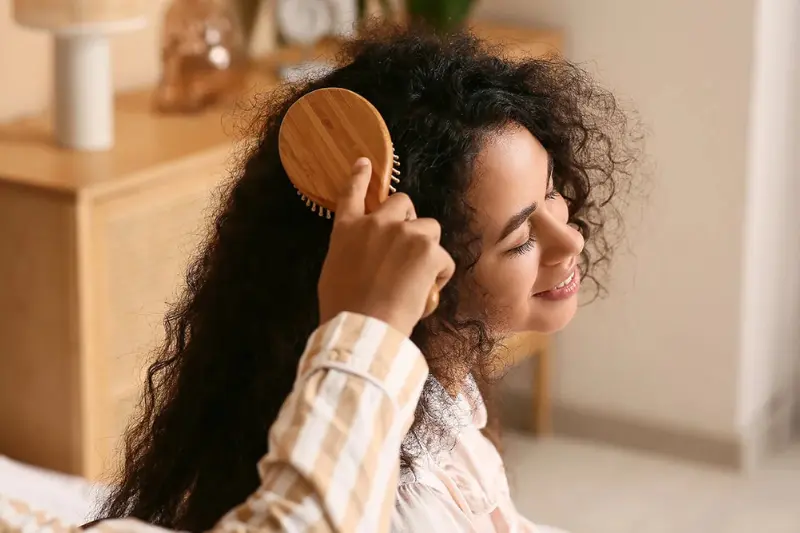
Tangled hair can lead to unnecessary breakage when you brush or comb too forcefully. Make detangling a gentle part of your daily or wash-day routine.
For straight or wavy hair, a suitable brush or wide-tooth comb can help remove knots. For curly or coily hair, detangling with conditioner in the hair may make the process easier.
Start at the ends and gradually work upward toward the roots. If you encounter a stubborn knot, loosen it gently with your fingers instead of pulling hard.
Avoid aggressive brushing, especially when your hair is wet and tangled.
Step 6: Use Hair Oil When Needed
Hair oil can help reduce friction, improve shine, and make dry lengths feel smoother. However, it is not essential for everyone, and using more oil does not automatically make your hair healthier.
Some common options include:
- Coconut oil: Can help reduce protein loss from hair when used appropriately before washing.
- Argan oil: Often used to improve smoothness and shine.
- Jojoba oil: A lightweight option for people who prefer a less heavy finish.
How to Apply Hair Oil
Start with a small amount and apply it mainly to your hair lengths and ends. Leave it on for the period appropriate for your product, then shampoo if needed.
If you have an oily scalp, acne-prone skin, or scalp irritation, avoid applying heavy oils directly to your scalp. Stop using any oil that causes itching, redness, or discomfort.
Also, remember that oils do not repair split ends permanently. Trimming damaged ends is the most reliable way to remove them.
Step 7: Protect Your Hair From Heat and Damage
Frequent straightening, curling, bleaching, and high-heat blow-drying can weaken your hair over time. You do not have to give up styling completely, but a few changes can help reduce damage.
- Use a heat protectant before heated styling.
- Keep styling tools at the lowest effective temperature.
- Avoid repeatedly passing a hot tool over the same section.
- Limit chemical treatments when your hair is already damaged.
- Choose loose hairstyles instead of tight ponytails or buns.
- Protect your hair from strong sunlight when spending long periods outdoors.
If you regularly swim in chlorinated water, rinse your hair afterward and use a conditioner to help manage dryness.
Step 8: Follow a Simple Weekly Hair Care Schedule
A beginner does not need a complicated schedule. Start with a routine you can maintain comfortably, then adjust it according to how your scalp and hair respond.
Daily Hair Care
- Gently detangle your hair when needed.
- Avoid unnecessary heat styling.
- Protect your hair from tight hairstyles and friction.
- Use a small amount of leave-in conditioner if your hair needs it.
Wash-Day Routine
- Shampoo your scalp as needed.
- Apply conditioner to the lengths and ends.
- Detangle gently.
- Dry your hair without rough rubbing.
- Apply a suitable leave-in product if necessary.
Weekly Hair Care
- Use a moisturizing hair mask if your hair feels dry.
- Check for excessive tangling, split ends, or product buildup.
- Clean your hairbrush or comb.
- Wash pillowcases and other items that regularly touch your hair.
You do not need a hair mask every week if your regular conditioner already works well. Add extra treatments only when your hair needs them.
You may also like to read this:
How To Fix Dry Hair Naturally: 10 Easy Home Remedies
How To Reduce Hair Breakage With Simple Hair Care Tips
How To Moisturize Curly Hair For Soft, Healthy Curls
How To Care For Low Porosity Hair: Complete Guide
Step 9: Eat a Balanced Diet for Healthy Hair
Hair care is not only about the products you apply. Your diet also supports normal hair growth and overall hair health.
Try to include a variety of nutrient-rich foods, such as:
- Eggs, fish, chicken, beans, and lentils for protein.
- Nuts and seeds for healthy fats and other nutrients.
- Leafy green vegetables for folate and other vitamins.
- Fruits and vegetables for a range of essential nutrients.
- Whole grains and other balanced carbohydrate sources.
Avoid crash diets and extremely restrictive eating patterns, which may contribute to hair shedding if they lead to inadequate nutrition.
Hair supplements are not necessary for everyone. Taking high doses of certain vitamins or minerals without a confirmed need can be harmful. If you experience persistent hair loss, a healthcare professional can help determine whether a nutritional deficiency or another issue is involved.
Step 10: Avoid Common Hair Care Mistakes
When you are new to hair care, it is easy to assume that more products and treatments will produce faster results. In reality, overdoing your routine can sometimes make things worse.
Washing Too Often or Too Infrequently
Your washing schedule should match your scalp’s needs. Washing too infrequently can allow oil and product buildup to accumulate, while harsh or excessive washing may leave some hair types feeling dry.
Using Too Much Product
Applying large amounts of oil, conditioner, styling cream, or hair masks can weigh down your hair and make it difficult to clean.
Changing Products Too Quickly
Give a suitable product a reasonable trial period, unless it causes irritation or another unwanted reaction. Changing several products at once makes it harder to identify what works.
Expecting Instant Hair Growth
Hair growth takes time. Oils, shampoos, and masks cannot guarantee rapid growth or reverse every cause of hair loss.
Ignoring Scalp Problems
Persistent itching, redness, scaling, sores, or unusual hair shedding should not be treated only with cosmetic products. Seek medical advice if these problems continue or worsen.
A Simple Hair Care Routine for Beginners
If you are unsure where to start, use this basic routine and adjust it to your needs.
| Time | What to Do |
| Morning | Gently detangle and style your hair. |
| During the day | Minimize unnecessary heat and tight hairstyles. |
| Wash day | Shampoo your scalp and condition your hair lengths. |
| After washing | Blot gently with a towel and apply leave-in conditioner if needed. |
| Weekly | Use an optional hair mask and clean your hairbrush. |
You can keep this routine simple. Start with shampoo, conditioner, and gentle handling before purchasing additional products.
How Long Does It Take to See Results?
You may notice that your hair feels softer or becomes easier to manage after a few washes. However, improvements in breakage, overall appearance, and length retention can take longer.
Hair grows gradually, and results depend on genetics, health, nutrition, styling habits, and the amount of existing damage. Consistency is more important than following a complicated routine for a few days.
If your hair is thinning noticeably, falling out in patches, or shedding much more than usual, consult a healthcare professional rather than relying entirely on home remedies.
Conclusion
Building a hair care routine for beginners is easier when you focus on the basics instead of buying every product you see. Choose a suitable shampoo, use conditioner, dry and detangle your hair gently, and protect it from excessive heat. Add hair oil or a mask only when your hair needs extra care, and support your routine with a balanced diet.
Most importantly, pay attention to how your scalp and hair respond. You may need to experiment a little to find the right washing schedule and products, but a simple, consistent approach can help you maintain softer, more manageable, and healthier-looking hair over time.
Frequently Asked Questions About Hair Care Routine for Beginners
1. What is the best hair care routine for beginners?
The best hair care routine for beginners includes washing your scalp with a suitable shampoo, using conditioner, gently detangling your hair, and avoiding excessive heat styling. Start with a few basic products and adjust your routine according to your hair type.
2. How often should beginners wash their hair?
Beginners should wash their hair according to their scalp condition and hair type. Oily hair may need frequent washing, while dry or curly hair may need less frequent washing. Choose a schedule that keeps your scalp clean without making your hair excessively dry.
3. Which hair care products should beginners use?
Beginners can start with three basic products: a suitable shampoo, a conditioner, and a heat protectant if they use heated styling tools. A leave-in conditioner or hair oil can be added if their hair needs extra moisture or smoothness.
4. How can I make my hair soft and shiny naturally?
You can help your hair feel softer and look shinier by using conditioner, avoiding excessive heat, detangling gently, and protecting your hair from damage. A balanced diet and suitable hair care products can also support healthy-looking hair.
5. Should I apply hair oil before or after washing?
You can apply hair oil before washing to help reduce dryness or use a small amount after washing to smooth the hair lengths and ends. The best method depends on your hair type and the oil you choose. Avoid applying heavy oils to your scalp if they cause irritation or clogged pores.




[…] Hair Care Routine For Beginners: A Simple Guide […]
[…] Hair Care Routine For Beginners: A Simple Guide […]
[…] Hair Care Routine For Beginners: A Simple Guide […]
[…] Hair Care Routine For Beginners: A Simple Guide […]
[…] You may also like to read this:Hair Care Routine For Beginners: A Simple Guide […]